How LiDAR Works
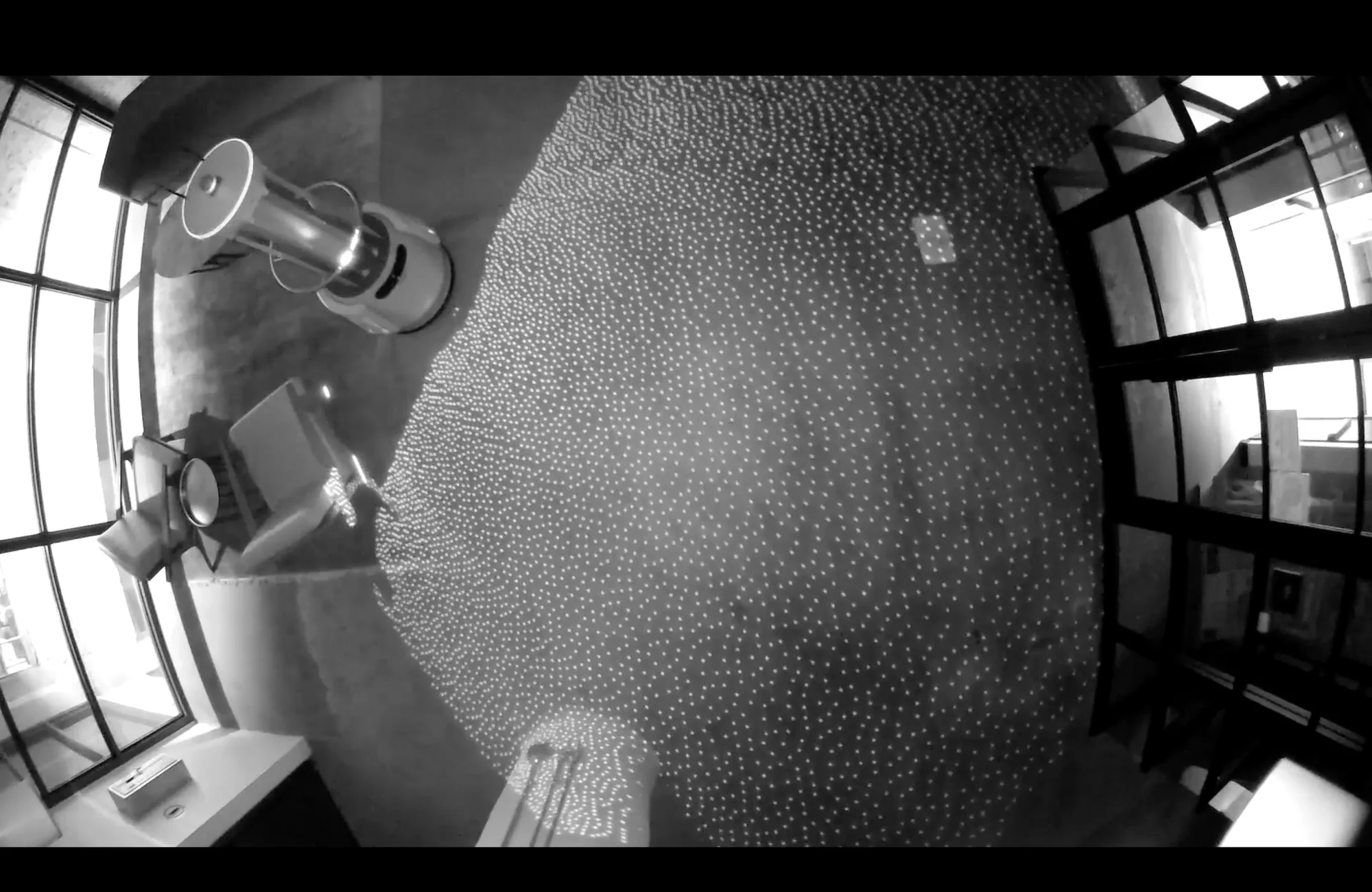
LiDAR systems fire rapid laser pulses into the environment. These pulses bounce off objects and return to the sensor, which measures the round-trip time. By applying the speed of light, LiDAR calculates distances with exceptional accuracy. As the laser scans across different angles, the device compiles those distance readings into a 3D point cloud representing real-world shapes and surfaces.
Primary Applications of LiDAR
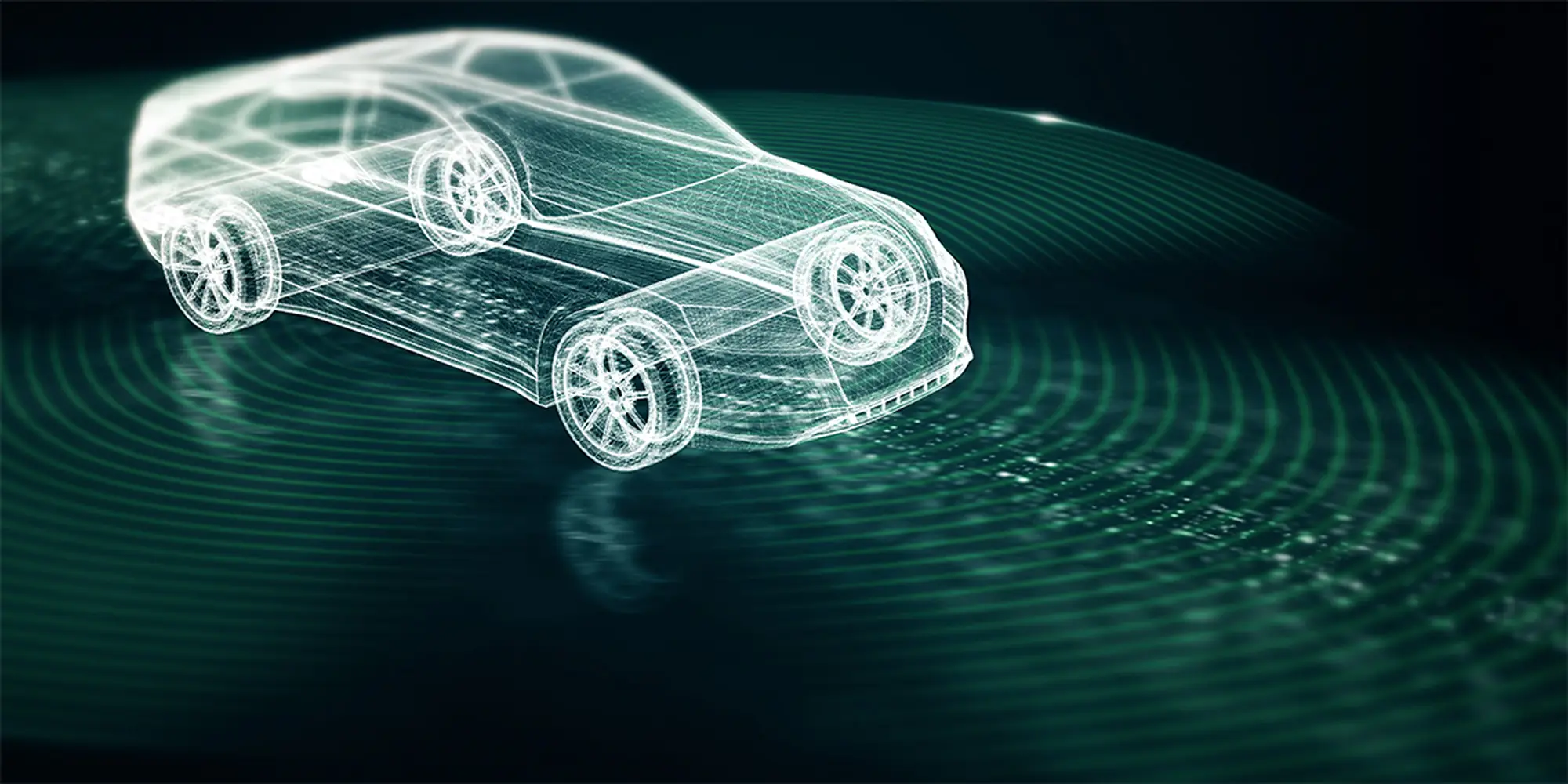
- Autonomous Vehicles: Used in self-driving cars to generate real-time 3D maps, allowing vehicles to safely gauge distances and navigate through traffic, pedestrians, and road features.
- Drones and Mapping: Enables drones to perform terrain mapping and inspections with high spatial detail.
- Logistics & Warehousing: Robots use LiDAR to maneuver safely around warehouses, manage inventory, and fulfill orders.
- Robotic Disinfection: In UV-C disinfection robots like the A1, LiDAR guides navigation and ensures comprehensive, collision-free operation.
LiDAR + SLAM: Creating Intelligent Autonomy
LiDAR pairs with SLAM (Simultaneous Localization and Mapping) to allow robots to build and follow their own maps in real time. SLAM algorithms, such as Kalman filters and particle filters, process LiDAR data to track robot position while continually updating the environment map.
Recent Trends in LiDAR
- Sensor Fusion: Combining LiDAR with cameras and radar improves environmental perception across all lighting and weather conditions.
- Miniaturization & Cost Reduction: Smaller, more affordable systems are expanding LiDAR use into consumer and industrial robots.
- Directional & SolidState LiDAR: Focusing beams for higher resolution and reliability with fewer moving parts.
- 4D LiDAR: New sensors also capture velocity information, enabling realtime motion detection and better dynamic decision-making.
Why LiDAR Matters for UV-C Disinfection Robots
In autonomous UV-C disinfection, LiDAR plays a central role in enhancing both efficiency and operational safety. Robots like the A1 integrate LiDAR sensors to map and navigate their environments with high accuracy. These sensors generate detailed representations of the surrounding space, allowing the robot to detect obstacles and potential hazards in real time.
By analyzing the environment through LiDAR data, the system can autonomously follow designated disinfection points and adjust its path to avoid collisions. This spatial awareness supports consistent disinfection coverage around complex room layouts while reducing human intervention and improving safety during operation.
Looking Ahead: The Future of LiDAR in Robotics
Expect ongoing advancements:
- Increased affordability and integration
- Better sensor fusion with AI-powered analytics
- New applications across industries, from health and logistics to architectural scanning and agriculture
These trends promise to broaden LiDAR’s role in autonomous systems across sectors.
Conclusion
LiDAR plays a foundational role in enabling autonomous robots to perceive and navigate their environments. Its ability to generate real-time 3D maps makes it especially valuable in applications that require spatial awareness, like UV-C disinfection, warehouse automation, drone-based mapping, and autonomous vehicles. As LiDAR technology continues to evolve and become more accessible, its integration into robotics will expand, supporting safer and more effective autonomous operations across a growing range of industries.