SLAM in Confined Spaces
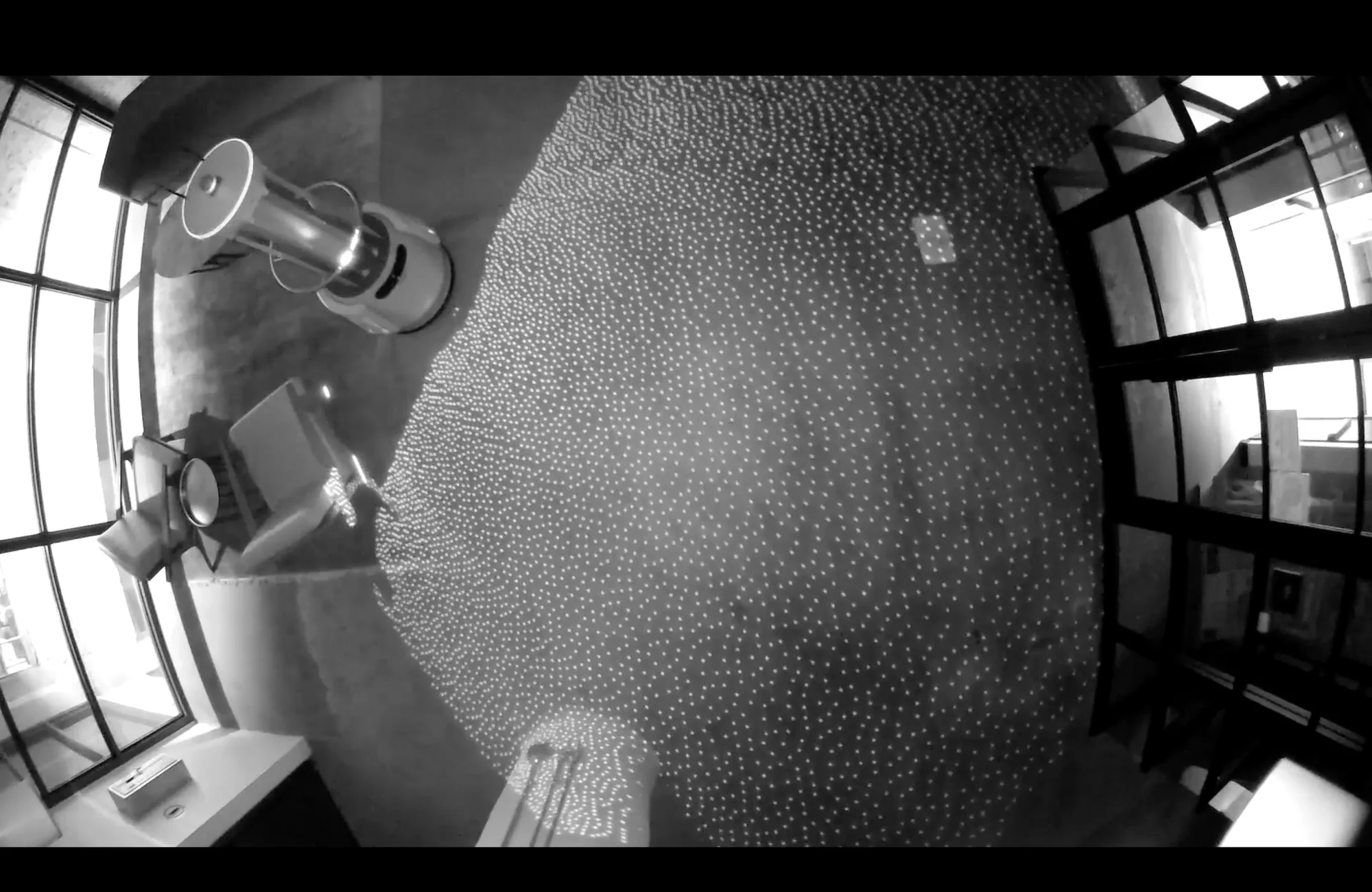
In smaller, structured environments—such as homes, offices, or pools—SLAM enables robots to navigate efficiently within set boundaries:
- Robotic vacuums use gyroscopes and sensors to monitor orientation and build room layouts, cleaning in deliberate, optimized paths.
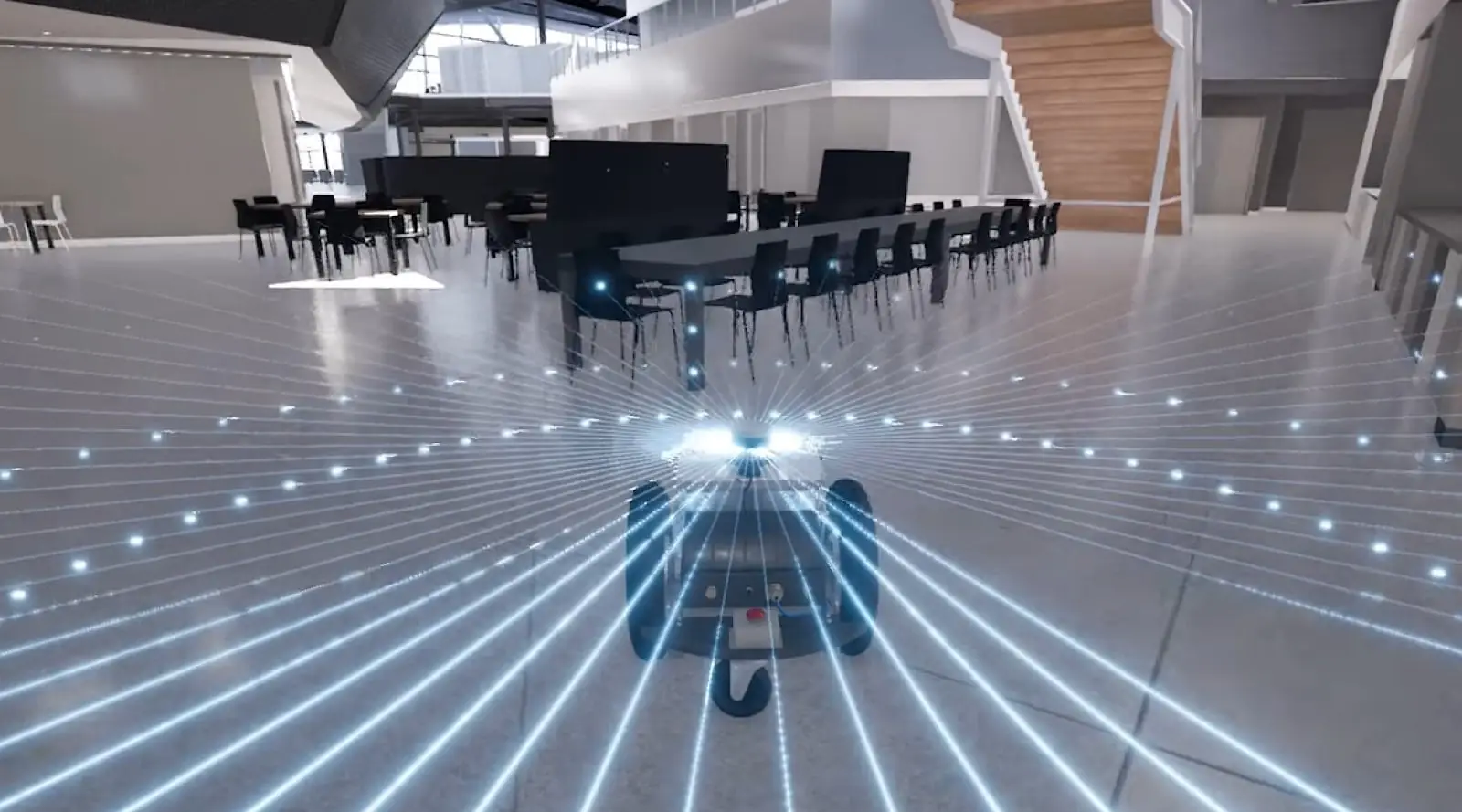
- Delivery robots in office buildings or hotels rely on SLAM to map hallways and navigate to specific rooms or locations with precision and efficiency.
These devices demonstrate how SLAM delivers reliable performance in compact spaces where consistent coverage is critical.
Scaling SLAM for Larger Indoor Environments
As environments grow more complex, SLAM systems require enhanced sensor arrays and processing capabilities. In larger indoor facilities, autonomous robots may be responsible for navigating multi-room layouts, long corridors, or variable surroundings.
Systems like the A1 combine multiple sensing technologies—LiDAR, RGB-D/ToF, and ultrasonic—to maintain real-time awareness and adjust to dynamic elements. Extended battery life, self-docking, and automated task execution are essential for performance at scale.
Layering sensors in these settings enhances redundancy, precision, and adaptability.
SLAM in Open, Unstructured Environments
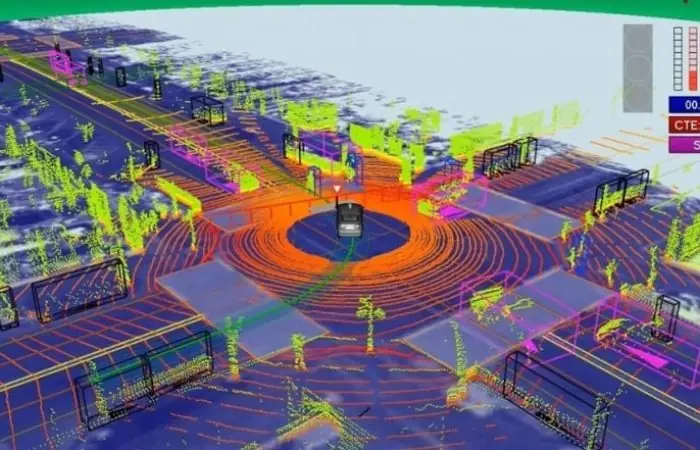
SLAM’s most advanced applications are in fully open environments, such as urban streets or campuses:
- Autonomous vehicles integrate LiDAR, GPS, cameras, and Inertial Measurement Units (IMUs) to continuously track location and movement.
- These systems interpret traffic, infrastructure, and unpredictable elements in milliseconds, enabling safe navigation without external input or downtime.
The complexity of open environments requires seamless coordination across multiple data sources—and flawless performance under constantly changing conditions.
What Drives Effective SLAM
SLAM performance is shaped by several key factors:
- Sensor quality and variety to capture spatial information
- Computational speed to process environmental data with minimal latency
- Sophisticated algorithms to interpret and merge sensor inputs
- System integration that supports reliable, real-time responsiveness
The effectiveness of a robot’s navigation ultimately depends on how well these components work together.
The Future of SLAM
SLAM technology continues to evolve rapidly, driven by demands for more autonomy, intelligence, and collaboration. Developments on the horizon include:
- Multi-agent mapping, where multiple robots contribute to a shared spatial model
- Enhanced resilience in cluttered or low-visibility spaces
- AI-enhanced adaptability, allowing SLAM to improve performance through machine learning
As these advancements unfold, SLAM will continue to expand what autonomous robots can accomplish across a wide range of industries and environments.
Conclusion
SLAM is a cornerstone of intelligent robotics. Whether navigating a home, facility, or open road, it enables machines to perceive space, position themselves accurately, and move with purpose. As sensor technology and algorithms continue to advance, SLAM will remain at the forefront of autonomous innovation.