For decades, UV-C has played a behind-the-scenes role in keeping essential infrastructure running safely and smoothly, often without anyone noticing. Now, solutions like the A1 make that same science easier to bring into the spaces people use every day.
This shift brings UV-C disinfection closer to where it matters most. Even when it isn’t visible, its impact is.
Here are three ways UV-C disinfection already makes a difference.
1. In the Systems That Keep Everything Running
Long before it entered classrooms or office buildings, UV-C disinfection was already trusted in the infrastructure behind them.
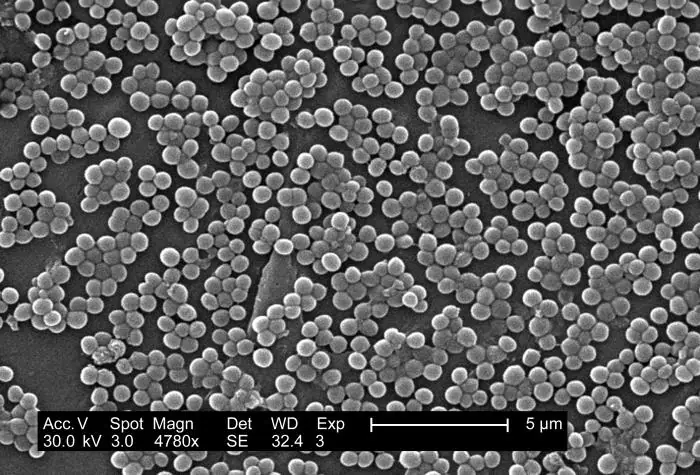
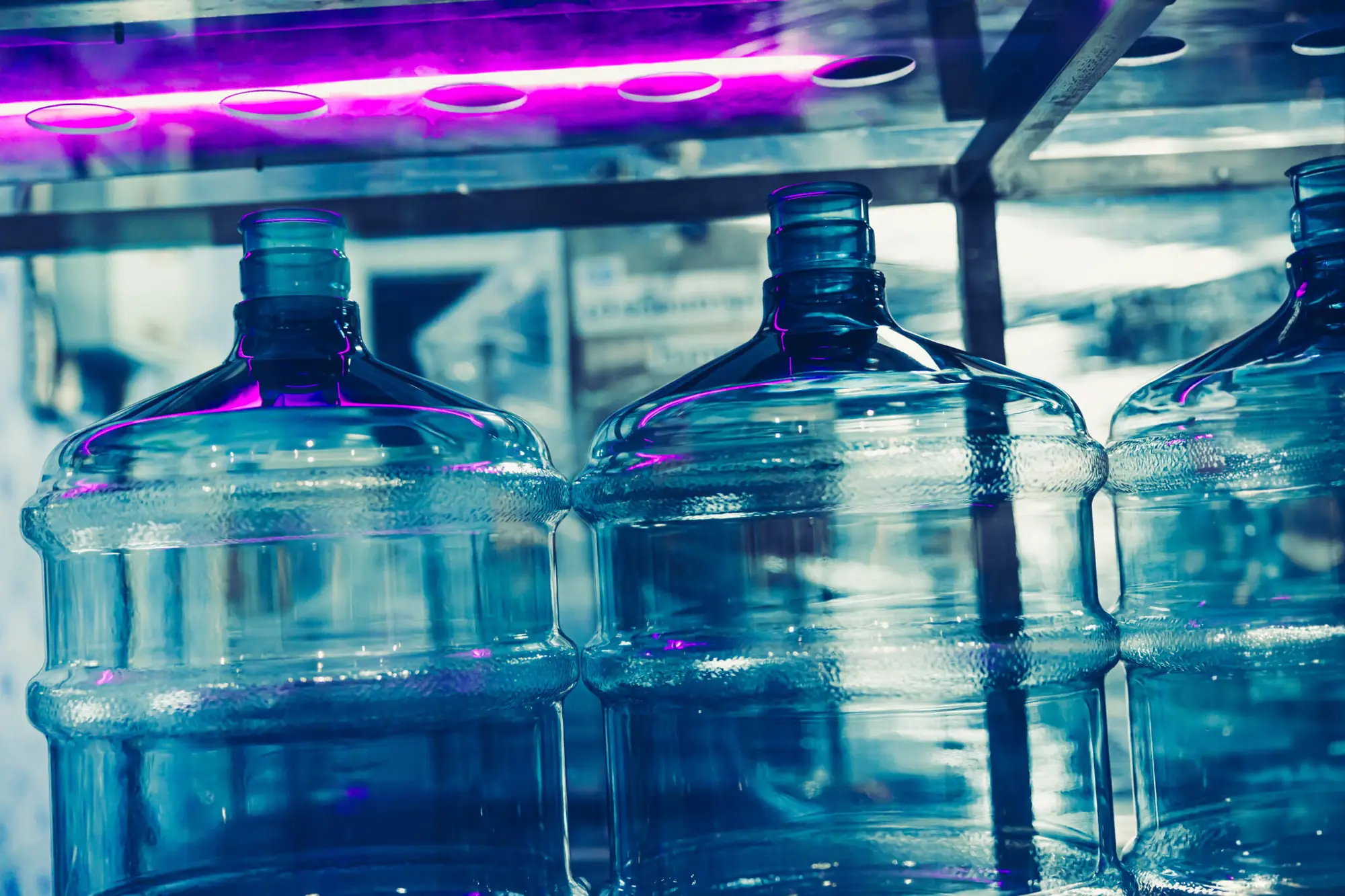
In drinking water systems, UV-C is applied at critical points in the treatment process to inactivate bacteria, viruses, and other pathogens. This method maintains microbiological quality without altering the water’s composition or producing chemical byproducts.
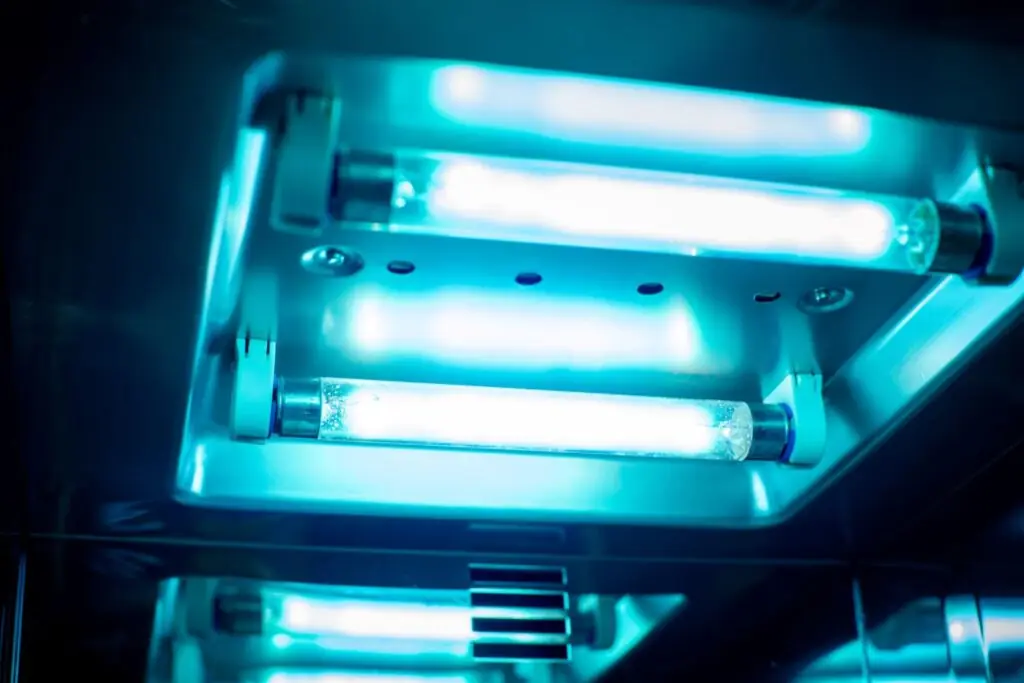
Inside HVAC systems, UV-C prevents microbial growth on coils and filters, helping maintain indoor air quality and energy efficiency.
In food processing, UV-C reduces surface contamination on processing lines and packaging materials. The use of ultraviolet light rather than chemicals or heat avoids altering taste, texture, or shelf life.
These systems benefit from disinfection that’s precise, low-maintenance, and seamlessly integrated, qualities that UV-C is uniquely positioned to deliver.
Now, the same technology is also being used in the spaces we move through every day.
2. In Shared Spaces That Turn Over Frequently
UV-C disinfection is now being applied in classrooms, offices, and other environments with constant foot traffic and little downtime.
Even with thorough cleaning protocols, low levels of microbial contamination can remain. UV-C disinfection offers a way to address what may remain by inactivating pathogens at the molecular level, as a final step after manual cleaning.
Because UV-C light must only be used in unoccupied rooms, it’s typically scheduled during natural breaks: between class periods, after shifts, or during off-hours, when rooms are already empty and ready for the next group. Once it’s part of the routine, it helps keep spaces ready for use without disrupting how it is used.
The same principles that make UV-C effective in infrastructure–reliability, consistency, and low intrusion–make it just as useful here.
And in places where staff are stretched thin, those qualities matter even more.
3. Where Support is Limited
Facilities teams are under pressure to move quickly and cover more ground than ever, often with limited staff. At the same time, they’re expected to ensure every space is thoroughly disinfected. Even with efficient protocols, the pace is intense, and the standards remain high.
Over the past five years, nearly half of janitorial workers have reported heavier workloads and increased pressure to work faster. One-third said they’ve had to manage these demands with fewer team members than before.
UV-C disinfection doesn’t erase that pressure entirely, but it helps close the loop. By inactivating any remaining pathogens after manual cleaning and disinfection, it offers these teams peace of mind and greater confidence that the space is ready for use.
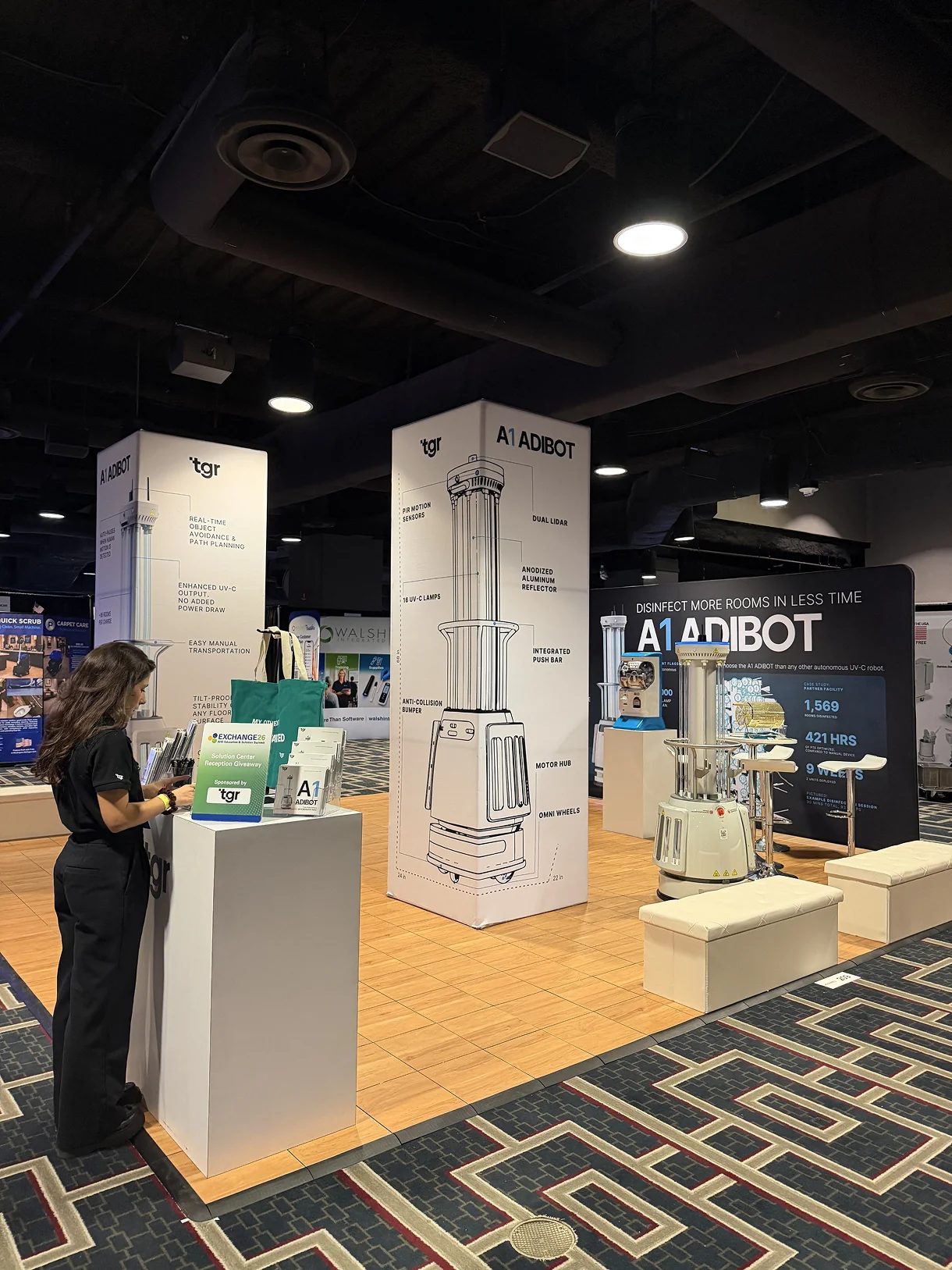
Autonomous UV-C robots like the A1 can take those benefits even further. Once manual cleaning and disinfection are complete, the A1 can carry out UV-C disinfection without needing to be repositioned or monitored by staff. Whether it’s running during a break, after hours, or between scheduled activities, it helps ensure the job gets done without pulling someone away from other priorities. In environments where every minute counts, that kind of support goes a long way.
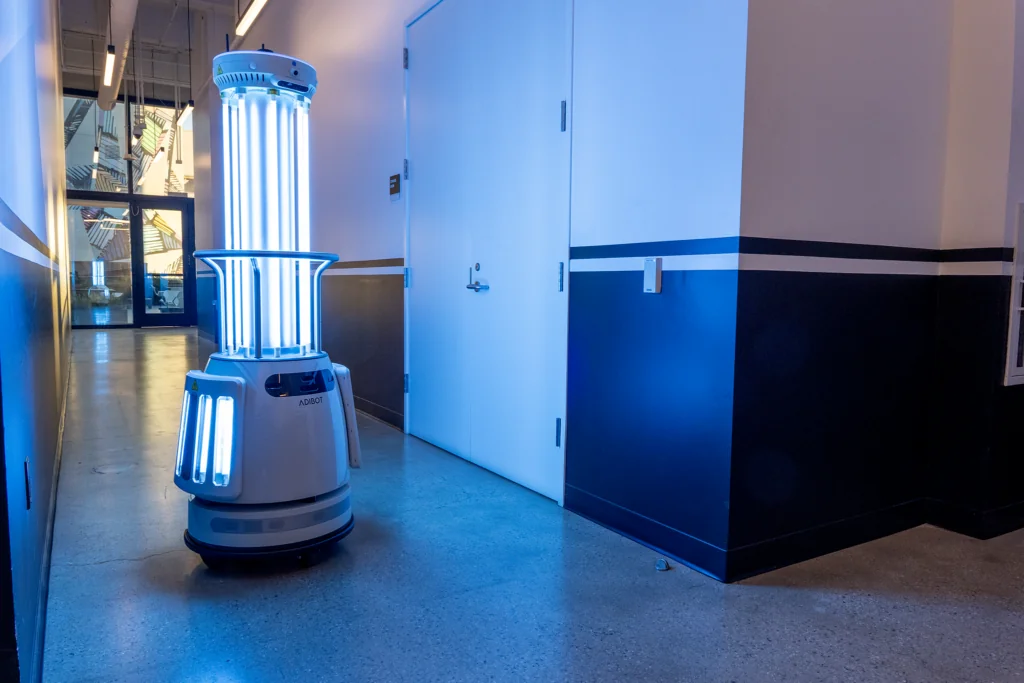
Designed to Fit Into the Background
UV-C disinfection has always worked best when it’s built in, not bolted on. The most effective systems operate alongside everything else, without disruption or the need for constant oversight. That’s what makes it so effective; you don’t have to see it working to know that it is.