Why Aseptic Areas Carry Exceptional Microbial Risk
Aseptic processing areas — filling suites, isolators, and Restricted Access Barrier Systems — are designed to exclude contamination entirely. If a viable microorganism enters the environment during processing, there is a direct risk of product contamination.
That zero-tolerance reality makes these spaces uniquely high-stakes. Regulatory bodies including the FDA and EMA hold aseptic facilities to stringent environmental monitoring and contamination control requirements in pharmaceutical manufacturing. Any excursion, even a single out-of-specification environmental monitoring result, can trigger investigations, manufacturing holds, or product recalls.
The pressure to maintain a near-sterile environment continuously, across all shifts and surfaces, is relentless.
Common Sources of Contamination in Aseptic Environments
Despite rigorous controls such as gowning procedures and HEPA filtration, contamination events in aseptic environments are often traceable to a limited number of sources:
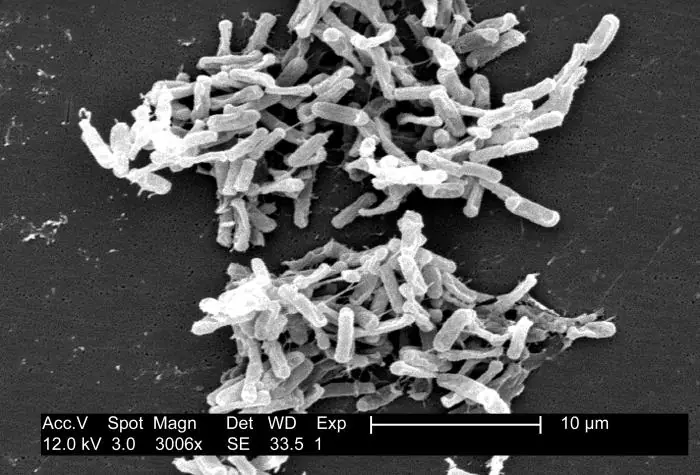
• Personnel are a primary contributor. Human skin continuously sheds particles, some of which may carry viable microorganisms such as Staphylococcus and Micrococcus species, as well as fungal spores.
• Surfaces and equipment may harbor contamination, particularly in areas that are routinely overlooked during manual cleaning.
• Incoming materials and packaging can introduce surface contamination if decontamination at airlocks is incomplete or inconsistent.
Understanding these sources is the first step. Systematically neutralizing them — especially between production campaigns, during shift changeovers, and in idle periods — is where most facilities find the greatest gaps.
The Limits of Manual Disinfection
Manual disinfection is a foundational component of contamination control programs. However, it is subject to known limitations:
Operator-to-operator variability influences outcomes in ways that are difficult to detect through routine oversight. Differences in surface coverage, wipe pressure, disinfectant application, and dwell time adherence can all affect the level of microbial inactivation achieved — even when operators are following the same SOP. Fatigue and task repetition across a shift can introduce further inconsistency over time.
Dwell time adherence is a particular challenge in aseptic environments. Many cleanroom disinfectants require several minutes of contact time to achieve validated efficacy. In spaces with high air exchange rates, surfaces can dry before the labeled dwell time is reached — reducing efficacy even when the correct product is used correctly.
Disinfection can only occur when personnel are present. Treatment is applied at defined intervals — prior to production, after interventions, and at shift changes — leaving surfaces exposed to ongoing contamination between events. Environmental monitoring can detect changes, but it is inherently retrospective. Increasing disinfection frequency is not always practical, as additional cleaning cycles require more labor, more operator interventions, and can disrupt production schedules.
These are structural constraints, not procedural failures — and they create a measurable gap between when contamination can occur and when disinfection is typically applied.
UV-C as a Tool to Support Sterility Assurance Without Adding Chemical Burden
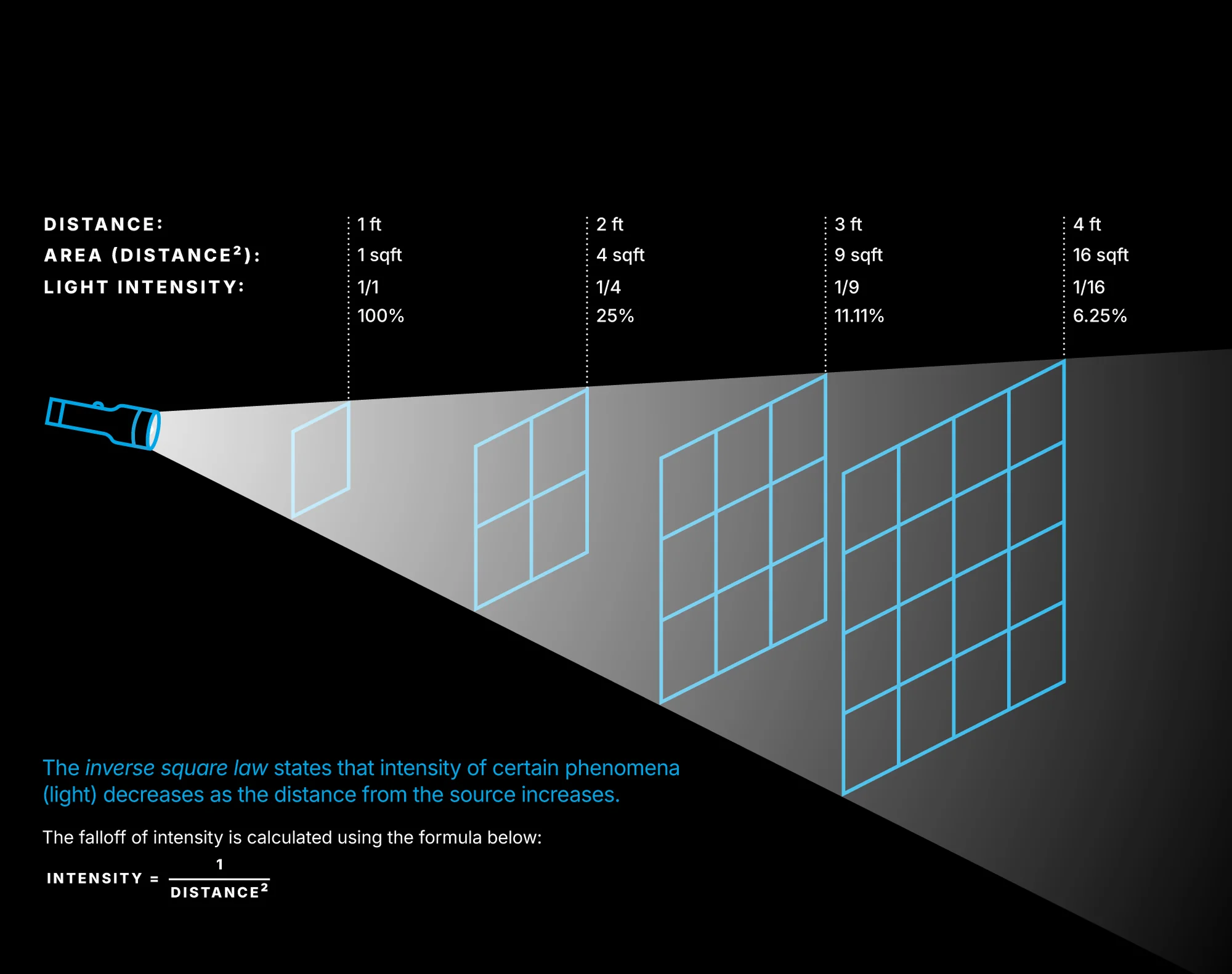
Ultraviolet-C (UV-C) radiation, typically in the 200–280 nm range (commonly 254 nm for low-pressure mercury lamps), inactivates microorganisms by damaging nucleic acids, including the formation of pyrimidine dimers. This damage prevents replication when a sufficient dose is delivered. UV-C irradiation has been demonstrated to effectively inactivate a wide range of microorganisms, including bacteria, mycobacteria, bacterial spores (at higher doses), and fungi; however, efficacy depends on delivered dose, exposure time, distance from the source, and surface characteristics.
Autonomous UV-C systems reposition within a space to deliver irradiation from multiple locations, helping to mitigate shadowing and distance-related intensity decay inherent to fixed systems. Treatment parameters — time, position, and coverage map — are logged, creating an auditable record that supports environmental monitoring and regulatory documentation.
Because UV-C does not introduce chemical residues or require liquid application, it can increase disinfection frequency— particularly during intervals between scheduled manual cleaning — without adding chemical burden to the environment or displacing validated cleaning procedures.
UV-C should be treated as a supplemental layer within a broader contamination control strategy, not a standalone solution. Sterility assurance depends on a combination of controls — facility design, air filtration, cleaning and disinfection, environmental monitoring, and operational discipline. Regulatory frameworks such as EU GMP Annex 1 (2022) emphasize a holistic, risk-based approach, and any additional technology, including UV-C, should be justified within that framework using data and documented risk assessment.
A Smarter Contamination Control Strategy Starts Here
Aseptic processing will always demand vigilance. But the tools available to manufacturers have advanced significantly, and facilities that continue to rely exclusively on manual disinfection are accepting a level of variability and coverage risk that can be reduced with available technologies.
Autonomous UV-C disinfection robots provide a consistent, documentable, chemistry-free layer of protection that fills gaps left by manual methods— delivering the kind of systematic, measurable contamination reduction that today's regulatory environment and quality standards demand.
If you're evaluating your contamination control strategy and want to understand how autonomous UV-C disinfection fits into your facility, contact our team to schedule a demonstration.