

What's on Your Cleanroom Surfaces?
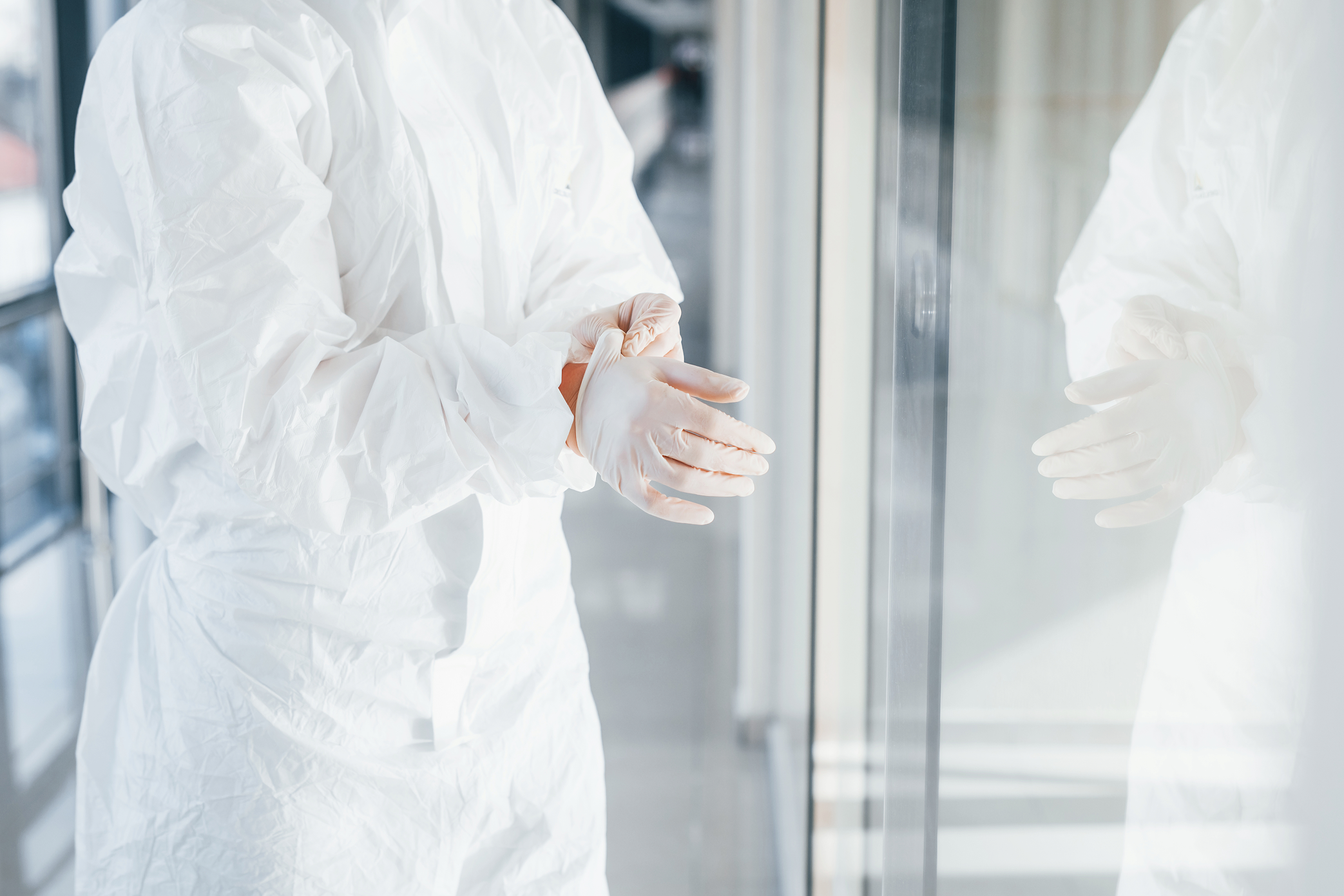
Cleanroom surfaces collect invisible contamination from every touch and airflow shift. Learn which surfaces need attention and how to disinfect them effectively.
Surfaces are often treated as static elements of a space. In reality, they are among the most dynamic components of any environment, constantly interacting with personnel, equipment, airflow, and materials throughout the day. From floors and workstations to shared tools and mobile assets, surfaces quietly absorb the rhythm of daily operations. What they encounter on a microscopic level may not be visible, but it is always present.
In environments where cleanliness and process consistency are important, understanding how contaminants are introduced to and persist on surfaces is a practical consideration for day-to-day space management.
Common Contaminants on Daily Surfaces
Any surface that experiences regular contact can serve as a temporary site for contaminant deposition. These contaminants are introduced through routine activities such as human contact (hands, clothing, and footwear), mobile equipment and carts, airflow patterns associated with ventilation systems, and normal operational use.
Shared surfaces in high-traffic environments typically host a mix of contaminants with composition and persistence influenced by surface material, moisture availability, airflow, and frequency of interaction. Some contaminants are transient, while others may persist longer depending on environmental conditions.
Commonly observed categories include:
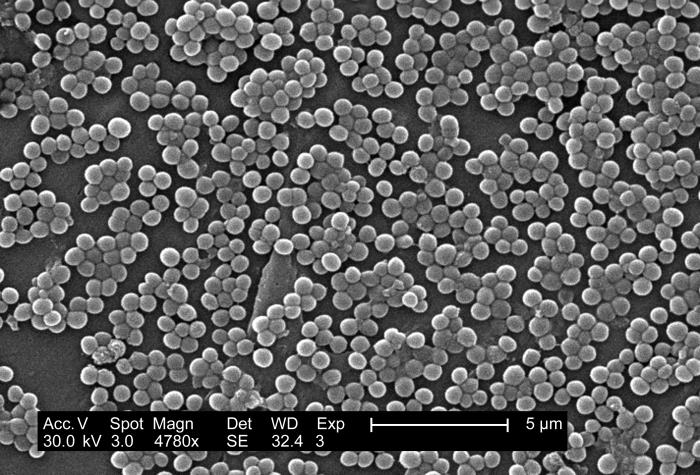
- Biological contaminants – bacteria, viral particles, and fungi transferred through human contact, respiratory emissions, or environmental sources
- Particulate matter – dust, pollen, and other airborne particles that settle onto surfaces from indoor airflow and outdoor air intrusion
- Moisture-associated contaminants – mold spores and microorganisms that are more likely to persist under damp conditions or on porous materials
The presence and distribution of these contaminants reflect how a space is used and moves throughout the day, rather than any single event or condition.
High-Touch Areas Face Higher Risk of Microbial Transfer
Not all surfaces are exposed equally. Areas with frequent interaction like shared equipment, carts, door hardware, and high-traffic floors, experience far greater variability throughout the day:
- Shared equipment and workstations
- Rolling carts and mobile units
- Door handles, push plates, and railings
- Floors in high-traffic corridors
The more interaction a surface has, the more opportunities there are for microorganisms to accumulate and transfer. Greater interaction does not inherently mean higher contamination levels, but it does increase the probability of deposition and redistribution of microorganisms throughout the day. Even when surfaces appear clean, microscopic organisms may still be present. Human presence is the most continuous and difficult variable to control in any cleanroom — our post on reducing human-borne contamination in cleanrooms explores how robotics can help minimize this risk.
Surface Material Considerations in Cleanroom Environments
Not all cleanroom surfaces respond to contamination and disinfection in the same way. Material properties, such as porosity, chemical resistance, and surface energy, directly influence how microorganisms adhere, persist, and are removed.
Stainless Steel
Stainless steel (typically 316L) dominates pharmaceutical environments due to its corrosion resistance and non-porous surface. Work surfaces, equipment frames, and transfer carts are nearly universally constructed from stainless steel. While its smooth finish minimizes microbial adherence, the material remains vulnerable to contamination at weld seams, crevices, and moisture accumulation points. Research conducted by AstraZeneca found stainless steel slightly favorable for UV-C treatment compared to other materials, though workbenches, equipment housings, and mobile carts require consistent treatment to maintain low bioburden levels.
Glass Surfaces
Glass partitions and viewing panels frequently experience hand contact, which can transfer microbes directly to the surface and add to microbial accumulation. Its non-porous surface is easy to clean, but glass accumulates contamination in predictable patterns: fingerprints around door edges, particulate settling on horizontal surfaces, and aerosol deposition near ventilation boundaries.
Material-Specific Disinfection Challenges
These materials experience contamination differently based on surface energy, texture, and placement. Traditional disinfection often treats all surfaces uniformly, but contamination dynamics are material-specific.
Validation studies have demonstrated that UV-C treatment performs effectively across glass, vinyl, and stainless steel surfaces, with results broadly comparable across all three materials and a slight advantage observed on stainless steel for resistant organisms. Automated UV-C systems are able to deliver reproducible germicidal energy to stainless steel, vinyl, and glass surfaces alike—valuable in environments where multiple surface types coexist within the same classified space.
Surface Contamination Control in GMP Environments
In controlled environments, such as commercial facilities, laboratories, manufacturing spaces, and other shared-use settings, surface management supports broader operational goals like:
- Product protection: Reducing the likelihood of unintended microbial transfer into controlled or sensitive process areas
- Regulatory compliance: Supporting environmental monitoring and facility control expectations
- Process consistency: Minimizing variability in manufacturing or operational conditions
- Risk mitigation: Identifying and addressing contamination trends before they affect operations
- Operator confidence: Reinforcing confidence that environmental controls support intended use conditions
Rather than focusing on reactive responses to contamination events, organizations are shifting to proactive approaches to how surfaces are managed throughout each shift, not just during scheduled cleaning intervals. This includes understanding which surfaces pose the greatest risk, which organism types are most prevalent, and where traditional manual disinfection may fall short.
The Role of Automated UV-C Technology
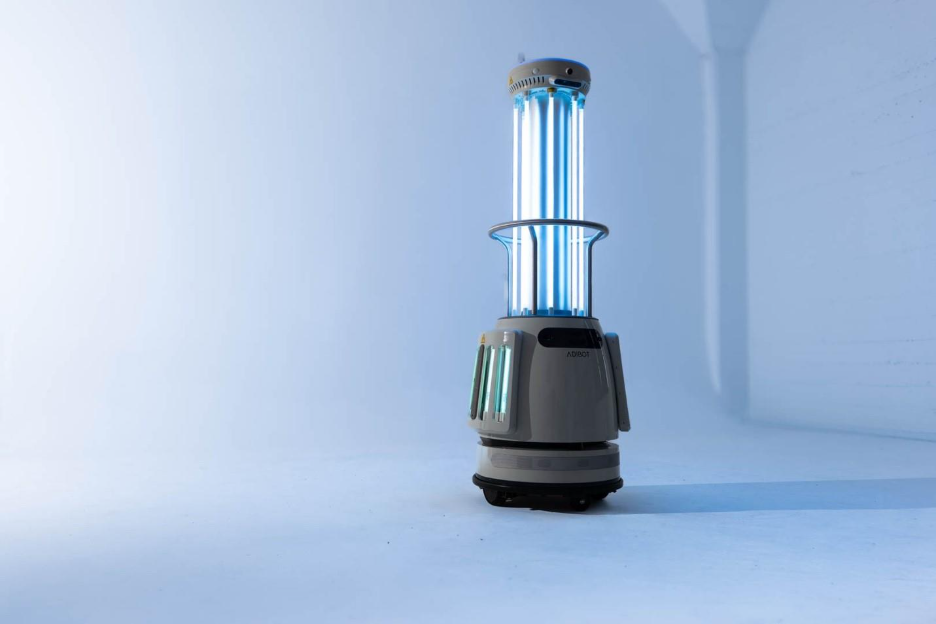
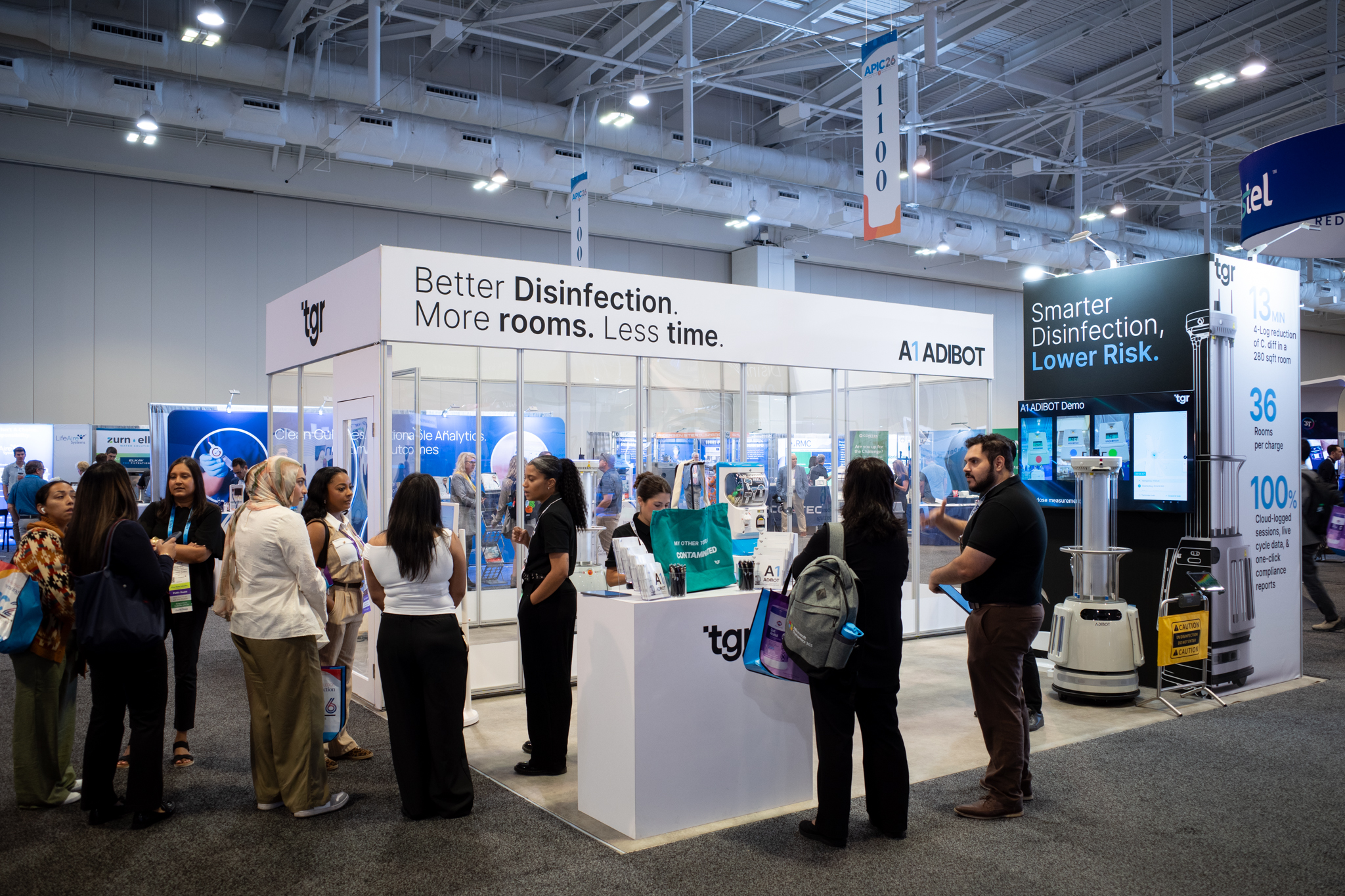
Advancements in UV-C technology have introduced a new way to address surface-level bioburden in cleanrooms. Autonomous UV-C robots are designed to deliver consistent 254nm germicidal energy at controlled doses, with the intent of inactivating microorganisms without relying on manual application.
By operating independently, these systems can help organizations:
- Standardize surface treatment processes: UV-C systems can deliver consistent, measurable doses to stainless steel, vinyl, and glass surfaces.
- Reduce variability associated with manual application: Unlike manual disinfection, which can vary based on technique, contact time adherence, and surface coverage consistency, automated UV-C systems deliver reproducible disinfection programs independent of human factors. This standardization can help reduce the variability often seen in environmental monitoring trends.
- Support existing protocols: UV-C technology functions as an adjunct to established disinfection programs, not a replacement. It provides an additional layer of microbial control that operates without introducing chemical residues, requiring drying time or creating slip hazards on floors. Systems can be scheduled during shift changes, breaks, or overnight cycles to minimize workflow disruption.
Rethinking How Surfaces Are Managed
Surfaces reflect ongoing interactions between personnel, materials, and airflow. As facilities increase in complexity, surface management strategies increasingly emphasize consistency, documentation, and integration with environmental monitoring data.
Rather than replacing established cleaning practices, emerging technologies are being evaluated as potential tools to enhance repeatability and reduce variability when implemented within validated contamination control programs.


%2C%20Color%3DNegative.png)

