

Reducing Human-Borne Cleanroom Contamination
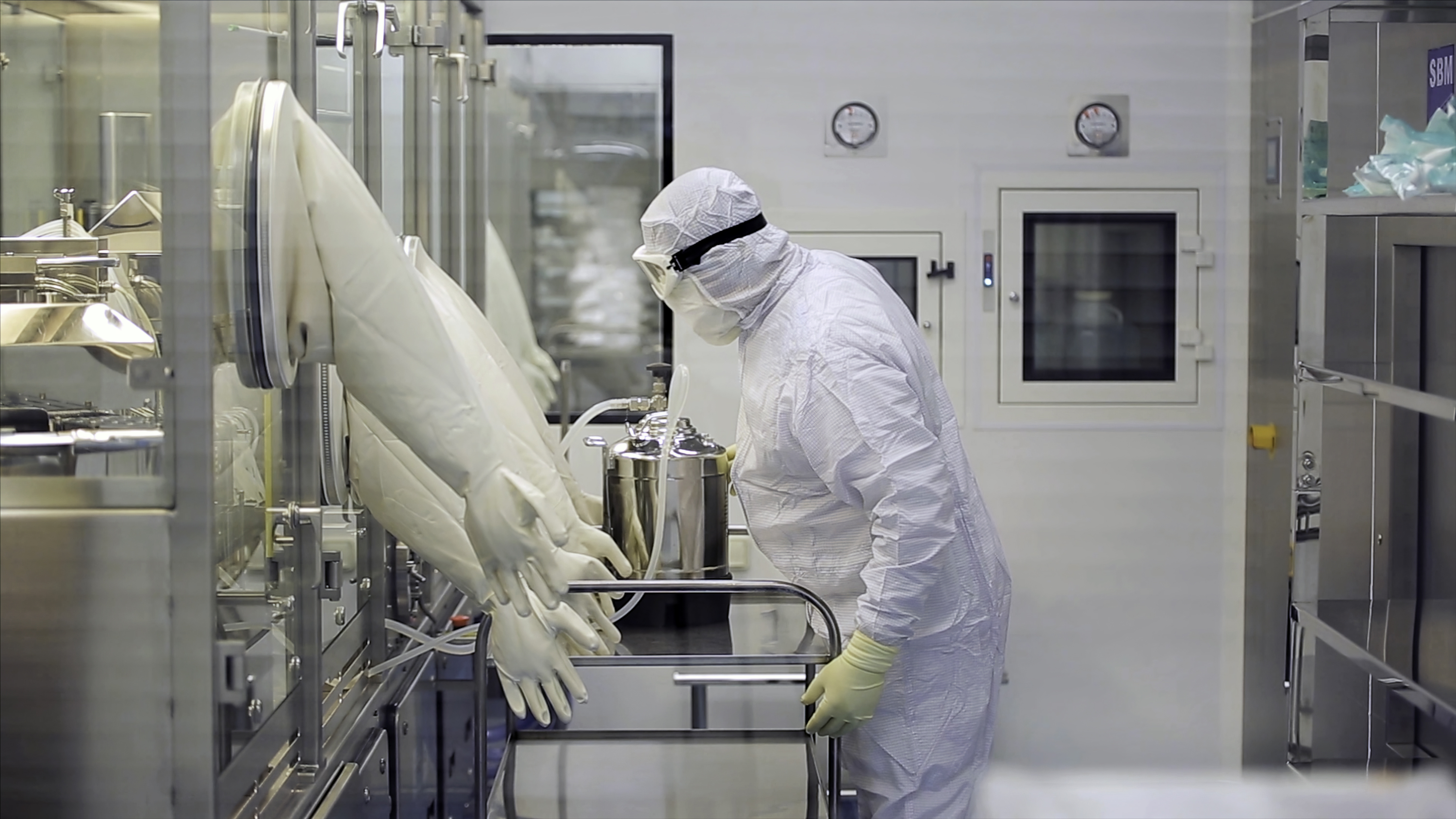
People shed roughly 70% of the microbes found in cleanrooms. Learn how autonomous UV-C robotics reduces human-borne contamination without disrupting staff.
Cleanrooms, Sterile Processing, and Pharmaceutical Manufacturing
Before a vial is filled, a microchip is printed, or a medical device is sealed, there’s an environment buzzing quietly behind the scenes. Inside, every surface, every particle of air, and every movement is carefully controlled to prevent contamination. Here, precision drives every process.
This is the cleanroom, a controlled environment designed to minimize airborne particles, microbes, and other contaminants that can compromise a product's integrity.These spaces are fundamental in industries such as pharmaceutical manufacturing, biotechnology, and medical device production, where sterile conditions are critical to quality and compliance.
In these industries, many cleanrooms follow the same principles that guide sterile processing, a field dedicated to ensuring that tools, materials, and finished products remain free of contamination. In both environments, facilities must adhere to Good Manufacturing Practice (GMP) standards which dictate strict contamination control measures, gowning procedures, and validation protocols. This is because even tiny amounts of microbial or particulate contamination can jeopardize the safety, quality, and integrity of critical products.
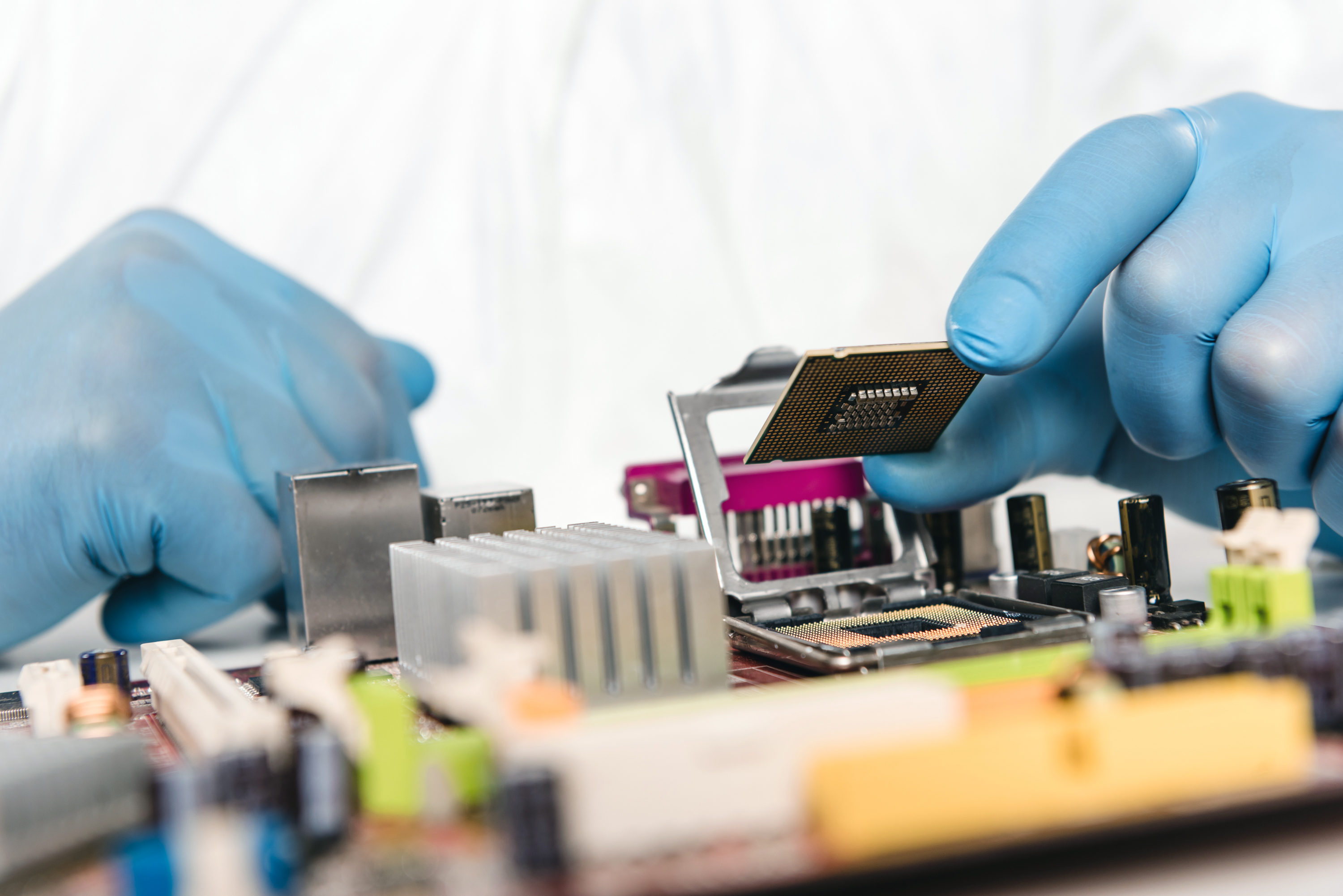
The Financial and Operational Impact of Contamination for Sterile Processing & Cleanroom Leaders
Apart from the health risks associated with contamination, the financial and operational impact of recalls is a growing concern. A 2024 analysis of FDA drug recall data (2012–2023) found that 37% of recalls were attributed to impurities or contaminants, underscoring how contamination events remain one oft he leading causes of production setbacks across the pharmaceutical industry. Beyond immediate losses, these incidents can damage a manufacturer’s reputation and erode confidence among consumers, investors, and regulatory bodies.
To mitigate the risks of contamination, on top of GMP standards, cleanrooms are typically classified by ISO standards, which dictate:
- How many people can be present at one time
- Movement restrictions to avoid contamination of critical areas
- Required gowning and hygiene protocols
- High-ISO (more stringent) cleanrooms may only allow a few operators for critical procedures
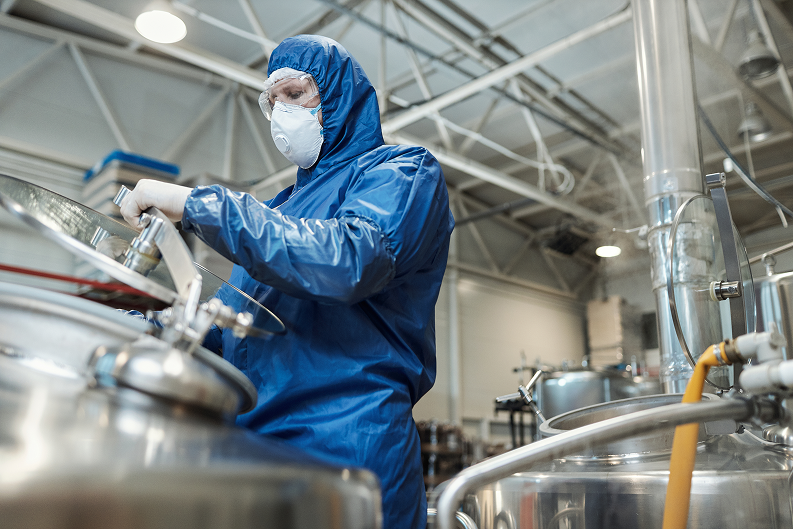
Even with these strict protocols in place, the biggest challenge often remains the same; the technicians and cleanroom personnel themselves. Operators are consistently the largest source of microbial contamination, making human factors a critical consideration in both financial and operational risk management.
Current Challenges in Human Contamination for Sterile Processing & Cleanrooms
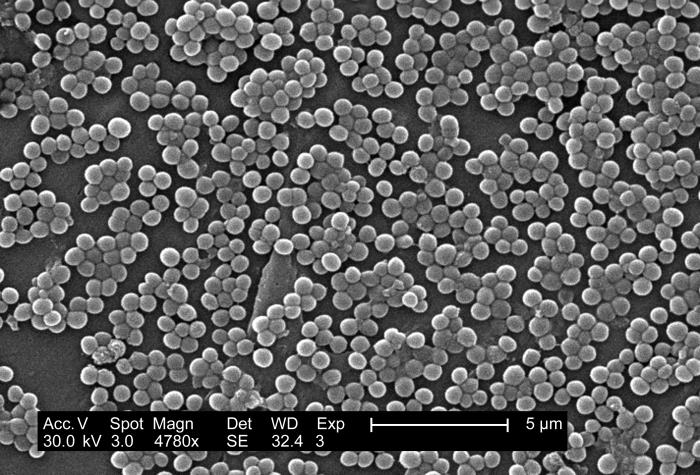
This is a key challenge. Environmental monitoring studies commonly report that personnel are the primary source of contamination, accounting for about 70%of microbial isolates in many cleanroom settings. This is due to personnel shed skin cells, respiratory droplets, and other particulates that can settle on surfaces and equipment, introducing organisms such as Staphylococcus aureus and Micrococcus luteus.
Furthermore, since human shedding is a dominant source of contamination, maintaining a truly ‘clean’ environment requires two key considerations:
- Routine manual cleaning and disinfection alone are insufficient, because human shedding occurs continuously during operations, and surfaces can become re-contaminated almost immediately after cleaning.
- Disinfection protocols must account for all human activity, addressing high-touch zones both inside and outside the cleanroom, such as office workstations, transfer areas, and equipment interfaces, to minimize cross-contamination.
These challenges highlight why sterile processing and contamination control leaders are exploring solutions that reduce reliance on manual intervention and human contact, paving the way for technologies like autonomous UV-C disinfection.
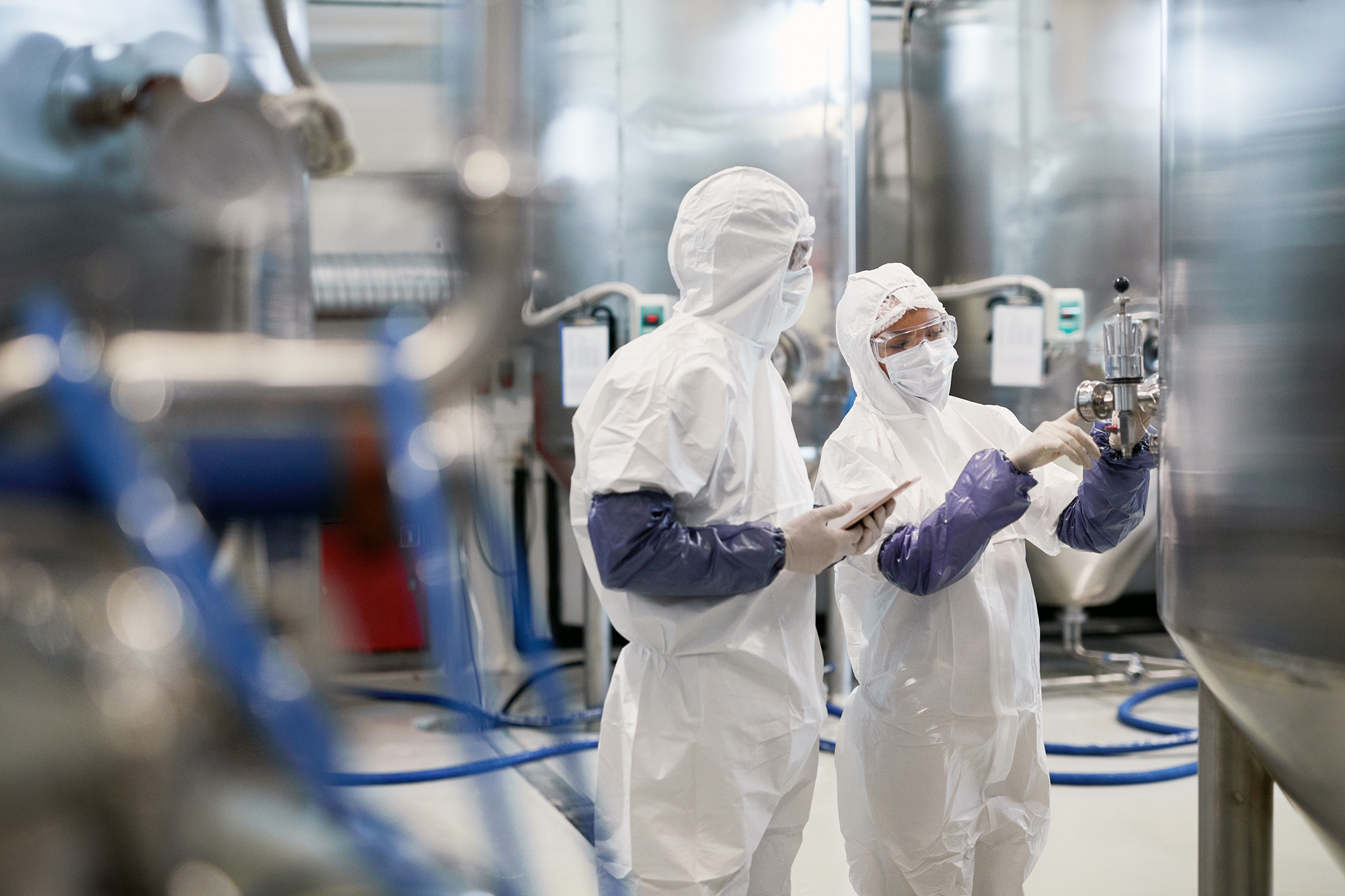
Solution Part 1: UV-C Disinfection for Sterile Processing & Cleanroom Microbial Control
A recent AstraZeneca study put UV-C disinfection to the test. Titled, “Qualification of the Disinfection Efficacy of an Ultraviolet Autonomous Robot for Use in Pharmaceutical Clean Rooms,” and published in the European Journal of Parenteral & Pharmaceutical Sciences. Microbiology teams wanted to evaluate how well a UV‑C could reduce microbial contamination on surfaces typical of manufacturing cleanrooms. AstraZeneca’s study was a bench-style evaluation using inoculated hand-coupons and EN-13697 methods to determine dose-dependent log reductions at 254 nm.
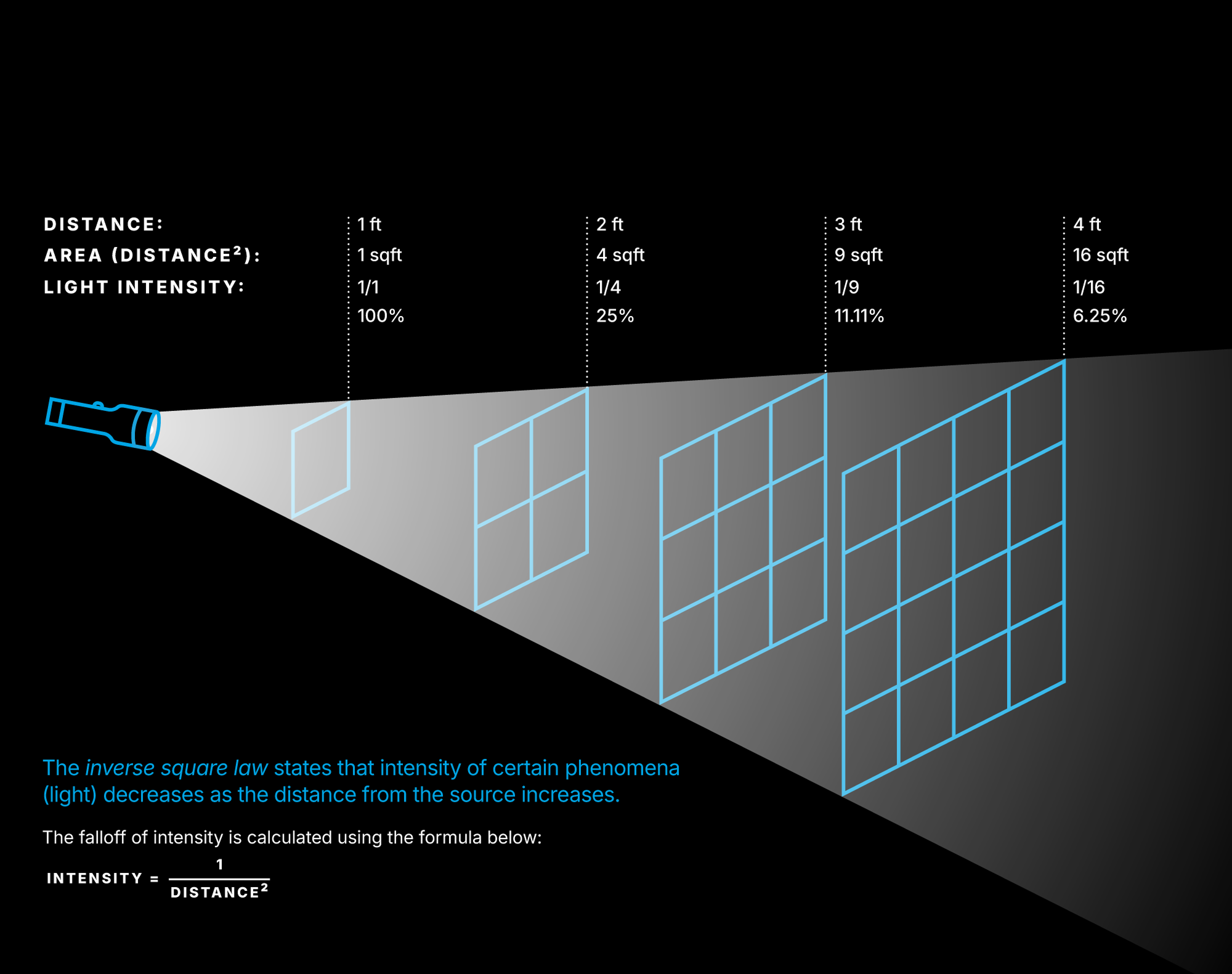
A bench‑test using the Surface Challenge Test Method EN 13697 was used to evaluate microbial viability after exposure to UV‑C at 254 nm. Doses of UV‑C varied from 0 up to ~500 mJ/cm² to record how dose correlates with log‑reduction of viable organisms. The results were as follows:
To conclude the findings, Senior Director of Microbiology Science & Technology at AstraZeneca stated, “The study supports UV-C as a very useful addition to chemical disinfection and a good addition to contamination control for cleanrooms.”
While chemical disinfectants remain the primary method for surface decontamination, UV-C offers an additional, reproducible layer of microbial reduction. Could this contactless, standardized approach be the solution cleanroom and sterile processing leaders have been seeking?
Solution Part 2: Autonomous Robotics for Sterile Processing & Cleanroom Efficiency
While the study validated UV-C as an effective complement to chemical disinfection, it measured light exposure and microbial reduction under controlled, stationary conditions, not robotic navigation performance. However, in real-world cleanroom operations, mobility and redundancy play a vital role in ensuring comprehensive surface coverage where autonomous UV-C systems can offer the following:
- Consistent coverage across complex spaces
- Automated schedules, including off-shift operation
- Traceable activity logs for regulatory compliance
- Targeted focus on high-touch zones outside of the cleanroom
Autonomous UV-C Disinfection: Enhancing Sterile Processing and Cleanroom Compliance
As cleanrooms continue to uphold high GMP standards, human-derived contamination remains one of the most persistent challenges. Even with validated manual cleaning and strict gowning procedures, personnel shedding and surface exposure introduce microbial risks that can threaten product quality, compliance, and operational efficiency.
In a world where a single contamination event can lead to costly recalls and regulatory setbacks, autonomous UV-C disinfection represents the next step in maintaining cleanroom integrity and advancing sterility assurance.


%2C%20Color%3DNegative.png)

