

21 CFR Part 211: Disinfection Compliance
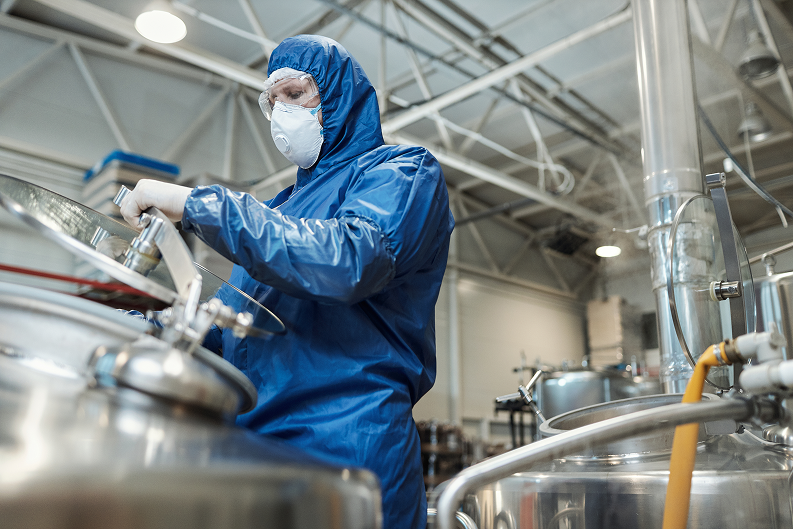
21 CFR Part 211 sets the FDA's CGMP bar for pharmaceutical cleanliness. See what it requires and how validated UV-C disinfection supports compliance.
What Is 21 CFR Part 211?
Title 21 of the Code of Federal Regulations, Part 211, establishes the minimum CGMP requirements for the preparation of drug products for administration to humans or animals. It was established by the FDA to ensure that drug products meet the safety, identity, strength, quality, and purity characteristics they purport or are represented to possess.
Part 211 is not a single rule — it is a comprehensive framework that addresses facility design, equipment maintenance, personnel hygiene, production controls, laboratory testing, and more. Manufacturers subject to FDA oversight are expected to maintain compliance at all times, not just during inspections.
Key Sections Relevant to Environmental Cleanliness
While all of Part 211 is important, several sections speak directly to the cleanliness of the manufacturing environment:
§ 211.42 — Design and Construction Features
This section requires that buildings used in the manufacture, processing, packing, or holding of drug products be of suitable size, construction, and location to facilitate cleaning, maintenance, and proper operations. It specifically requires that the facility provide adequate space for the orderly placement of equipment and materials to prevent mix-ups and contamination.
Critically, § 211.42(c) requires that operations be performed in specifically defined areas, and that separate or defined areas exist to prevent contamination — including areas for aseptic processing and sterile drug products.
§ 211.46 — Ventilation, Air Filtration, Air Heating and Cooling
This section requires that adequate ventilation be provided and that equipment for adequate control over air pressure, microorganisms, dust, humidity, and temperature be provided when appropriate for the manufacture, processing, packing, or holding of a drug product. For sterile environments, this section underpins the use of HEPA filtration, ISO-classified cleanrooms, and environmental monitoring programs.
§ 211.56 is one of the most directly relevant sections for disinfection programs. It states that any building used in the manufacture, processing, packing, or holding of a drug product shall be maintained in a clean and sanitary condition. It further requires that written procedures be established and followed for the use of suitable rodenticides, insecticides, fungicides, fumigating agents, and cleaning and sanitizing agents. Any such agents must be used in a manner that does not contaminate equipment, components, drug product containers, closures, packaging, labeling materials, or drug products.
This section also addresses personnel sanitation, requiring that personnel wear clothing appropriate for the duties they perform, and that protective apparel (such as head coverings, face masks, gloves, and gowns) be worn as necessary to protect drug products from contamination.
§ 211.67 — Equipment Cleaning and Maintenance
This section requires that equipment and utensils be cleaned, maintained, and, as appropriate for the nature of the drug, sanitized and/or sterilized at appropriate intervals to prevent malfunctions or contamination that would alter the safety, identity, strength, quality, or purity of the drug product. Written procedures for cleaning and maintenance of equipment must be established and followed.
§ 211.68 — Automatic, Mechanical, and Electronic Equipment
This section is noteworthy because it explicitly contemplates the use of automated systems in manufacturing and quality control. It requires that such equipment be routinely calibrated, inspected, or checked according to a written program designed to assure proper performance.
The Role of Environmental Monitoring
While 21 CFR Part 211 establishes the framework, FDA guidance documents — including the Guidance for Industry: Sterile Drug Products Produced by Aseptic Processing — provide more granular direction on environmental monitoring programs. These programs typically involve air sampling, surface contact plates, and personnel monitoring to detect microbial contamination before it reaches the product.
A robust environmental monitoring program does more than detect problems after the fact. Trend analysis of monitoring data can identify whether contamination rates in a given area are stable, improving, or deteriorating — which in turn informs cleaning frequency and method selection. Regulators expect manufacturers to act on environmental monitoring data proactively, not reactively.
Traditional Disinfection Approaches in Pharma
Most pharmaceutical cleanroom disinfection programs rely on a combination of liquid disinfectants (such as isopropyl alcohol, quaternary ammonium compounds, or sporicidal agents like hydrogen peroxide or bleach), applied by trained personnel on a defined schedule. These methods are well-established, well-documented, and broadly accepted by regulators.
However, they also come with known limitations:
- Human variability: Manual disinfection is inherently dependent on technique, thoroughness, and adherence to procedure. Differences between operators can lead to inconsistent coverage.
- Inaccessible or difficult-to-reach surfaces: Some surfaces — particularly complex geometries, equipment undersides, and recessed corners — may receive inconsistent coverage during manual cleaning cycles due to physical access constraints.
- Residue and chemical compatibility concerns: Liquid disinfectants can leave residues and must be selected carefully to avoid compatibility issues with equipment and surfaces.
- Documentation burden: Ensuring complete, contemporaneous documentation for every disinfection cycle adds to operator workload.
UV-C Disinfection: An Overview
Ultraviolet-C (UV-C) light — typically at wavelengths between 200 and 280 nanometers — has well-documented germicidal properties. At the cellular level, UV-C radiation is absorbed by nucleic acids (DNA and RNA), causing photochemical damage that inhibits microbial replication. A broad body of peer-reviewed research demonstrates UV-C efficacy against bacteria, viruses, and fungal spores across a range of exposure conditions.
UV-C disinfection technology has been used in water treatment, air disinfection, and surface decontamination for decades. In high risk environments, UV-C systems have been studied as supplemental tools for terminal room disinfection. More recently, interest in UV-C has grown in controlled manufacturing environments, including pharmaceutical cleanrooms.
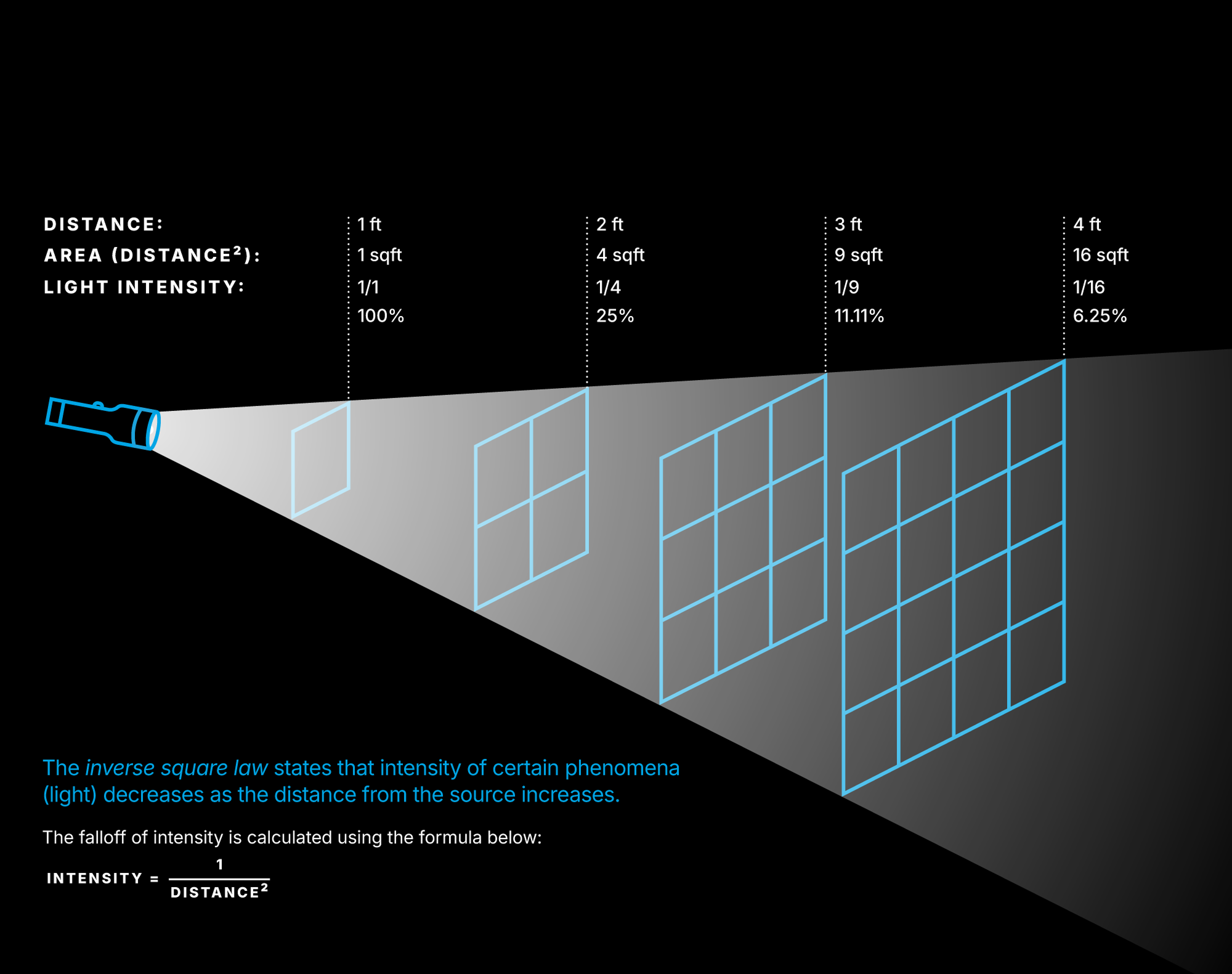
It is important to note that UV-C light is a line-of-sight technology: surfaces must be directly exposed to the light source in order to receive germicidal doses. Shadowed areas will receive little to no UV-C exposure. This characteristic means UV-C is generally discussed as a supplemental disinfection measure rather than a standalone replacement for validated chemical disinfection protocols.
How UV-C May Support Pharma Cleanroom Disinfection Programs
UV-C disinfection — including systems delivered by autonomous robotic platforms — may offer several potential benefits within a broader pharmaceutical environmental control strategy:
Consistency and Reproducibility
Autonomous UV-C systems can be programmed to follow defined routes, dwell at specified distances and durations, and document each cycle with time-stamp and exposure duration. This level of consistency can be difficult to achieve with manual processes alone and aligns with the CGMP emphasis on written procedures and documented execution.
Supplemental Coverage Between Cleaning Cycles
UV-C systems may be deployed between manual cleaning cycles to provide an additional layer of surface disinfection. In high-traffic or high-risk areas of a facility, this supplemental approach could support an overall reduction in surface bioburden over time — though the specific impact would depend on facility-specific conditions and validation data.
Reduced Operator Entry
For certain cleanroom applications, a UV-C robot can perform disinfection cycles without requiring additional personnel to enter the space. This may be beneficial in aseptic environments where personnel represent a primary source of contamination.
Data and Audit Trail
Modern UV-C robotic systems typically generate electronic records of each disinfection cycle, including route data, cycle duration, and UV-C exposure times at each disinfection point. This documentation capability supports the record keeping expectations embedded throughout 21 CFR Part 211 and can facilitate trend analysis as part of an environmental monitoring program.
Considerations for Regulatory Fit
For pharmaceutical manufacturers evaluating any new disinfection technology — UV-C or otherwise — the regulatory pathway involves several key considerations:
Validation: FDA's CGMP regulations require that processes be validated, including cleaning and disinfection processes. Before relying on a UV-C system as part of a formal disinfection program, manufacturers would need to develop and execute a validation protocol demonstrating the system's performance under actual use conditions in their specific facility.
Change control: Introducing a new disinfection technology into an established CGMP environment is a change that must be managed through the facility's change control process. Risk assessments, updated SOPs, and potentially updated environmental monitoring strategies would be part of that process.
Interaction with existing disinfectants: UV-C is generally understood to be compatible with surfaces without chemical residue concerns, but manufacturers should evaluate any potential interactions with materials, coatings, or equipment present in the cleanroom.
Positioning UV-C appropriately: Documentation and communications about UV-C should be careful to position it accurately — as a supplemental tool within a broader environmental control strategy — rather than as a replacement for validated chemical disinfection or other CGMP-required measures.
Takeaways
21 CFR Part 211 sets clear expectations for pharmaceutical manufacturers: facilities must be designed, maintained, and operated to prevent contamination and ensure product quality. Disinfection is a central element of that obligation, and it requires written procedures, trained personnel, consistent execution, and thorough documentation.
UV-C disinfection technology represents one tool in the broader toolkit available to quality and facilities teams. Its potential benefits — including reproducibility, data capture, and supplemental surface disinfection between manual cycles — are worth exploring for facilities looking to strengthen their environmental control programs. As with any process change in a regulated environment, thorough evaluation, validation, and change control are prerequisites before UV-C systems can be formally integrated into a CGMP disinfection program.
Pharmaceutical manufacturers are encouraged to work with their quality and regulatory teams, as well as qualified vendors, to evaluate whether UV-C technology is appropriate for their specific facility and product requirements.

This blog post is intended for informational purposes only and does not constitute regulatory or legal advice. Manufacturers should consult current FDA guidance documents and work with qualified regulatory professionals when developing or modifying their CGMP compliance programs.
Frequently Asked Questions
Does UV-C disinfection satisfy 21 CFR Part 211 on its own?
No. 21 CFR Part 211 sets the FDA's minimum CGMP requirements for pharmaceutical manufacturing, and it treats disinfection as one part of a broader system involving written procedures, trained personnel, consistent execution, and documentation. UV-C is a line-of-sight, supplemental technology — it can support several of these expectations but is not a standalone means of compliance. This information is general and not regulatory or legal advice.
Which sections of 21 CFR Part 211 apply to cleanroom disinfection?
Several sections speak directly to environmental cleanliness: §211.42 (design and construction, including defined areas to prevent contamination), §211.46 (ventilation and air filtration), §211.56 (sanitation, requiring written procedures for cleaning and sanitizing agents), §211.67 (equipment cleaning, sanitizing, and sterilizing), and §211.68 (automatic, mechanical, and electronic equipment, which must be calibrated and checked). Together these frame how disinfection programs — and any automated systems supporting them — are expected to operate.
Can UV-C replace chemical disinfection in a pharmaceutical cleanroom?
No. UV-C is generally positioned as a supplemental measure, not a replacement for validated chemical disinfection. It's a line-of-sight technology — shadowed surfaces receive little to no exposure — so it's typically deployed alongside manual cleaning and chemical disinfection rather than in place of them.
What's required to validate a UV-C robot for use in a CGMP environment?
CGMP regulations require that processes, including cleaning and disinfection, be validated. Before relying on a UV-C system formally, a manufacturer would generally develop and execute a validation protocol demonstrating performance under actual use conditions in their specific facility. Introducing the technology is also a change managed through change control — risk assessments, updated SOPs, and potentially updated environmental monitoring. Manufacturers should work with their quality and regulatory teams.
How does automated UV-C cycle logging support CGMP documentation?
Modern autonomous UV-C systems can record route data, cycle duration, and exposure times at each disinfection point. This creates an electronic, time-stamped record of each cycle that supports the recordkeeping expectations embedded throughout Part 211 and can feed the trend analysis used in environmental monitoring programs — a level of consistency and documentation difficult to achieve with manual processes alone.


%2C%20Color%3DNegative.png)

