

MRSA Environmental Disinfection: How UV-C Inactivates It
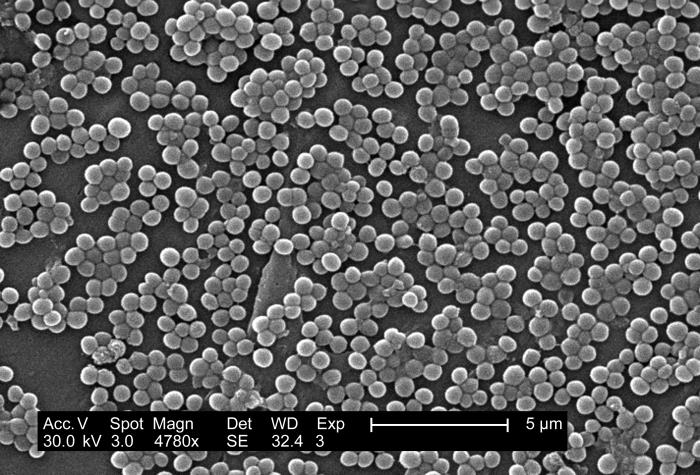
How does UV-C inactivate MRSA on surfaces? Survival data and disinfection methods compared.
A surface can look spotless and still carry viable MRSA — which is exactly why knowing how to disinfect a room for MRSA takes more than a quick wipe-down. The short version: clean the surfaces first to lift off soil, then inactivate whatever's left with a no-touch method like UV-C, and verify you actually reduced the load. That two-step approach is what this guide walks through, tuned for high-risk environments.
So does UV-C actually help? Yes. Germicidal UV-C (around 254 nm) is absorbed by the bacterium's DNA, fusing adjacent thymine bases into dimers that jam replication. The cell can't reproduce, so it's inactivated — and because that's physical damage rather than a chemical it can resist, MRSA's antibiotic resistance offers no protection.
What is MRSA environmental disinfection?
MRSA environmental disinfection targets the inanimate reservoir — work surfaces, door and equipment handles, control panels, shared tools, seating, and floors — rather than people's hands. Hand hygiene and gowning protocols get most of the attention, but the surfaces around anyone carrying MRSA act as a persistent environmental reservoir that reseeds hands and equipment long after that person leaves the space.
The goal isn't a spotless appearance. A surface can look clean and still carry viable MRSA. The goal is a measurable reduction in bioburden — the live microbial load — on the surfaces most likely to touch the next person. It's a distinct layer of environmental hygiene that works with hand hygiene, not instead of it.
How MRSA spreads on surfaces
The environmental reservoir
When a person carrying MRSA occupies a space, they shed it onto nearby surfaces. Once a surface is contaminated, a hand touches it, then touches another surface — and the organism moves around the environment on hands and shared equipment. This is how a single contaminated point becomes a distributed reservoir.
How long does MRSA survive on surfaces?
MRSA is stubborn. Depending on the material, humidity, temperature, and how much organic soil is present, it can persist from hours to several months. The CDC states MRSA can survive on surfaces like towels, razors, and furniture for hours, days, or even weeks. Independent laboratory reviews put survival on hard surfaces as high as several months under favorable conditions.
Survival varies by material:
Two consistent rules: rougher, more porous surfaces harbor MRSA longer than smooth ones, and organic material (soil, biofilm, residue) shields the bacteria, extending survival and blunting disinfection.
Contamination outlasts the occupant
Terminal disinfection matters because contamination outlasts the occupant. Surface-persistence studies show a space can remain a measurable MRSA reservoir after the previous occupant has gone — a surface that looks clean can still hold viable MRSA. The practical point for environmental hygiene is simple: the surface reservoir has to be actively reduced, not assumed away. Between survival time and that environmental persistence, enhanced terminal disinfection earns its place.
Does UV-C inactivate MRSA? The mechanism explained
Yes — UV-C inactivates MRSA by damaging its genetic material. Here's how, step by step.
What UV-C is
Ultraviolet light spans roughly 100–400 nm. The germicidal band, UV-C (100–280 nm), peaks in effectiveness around 254 nm — the wavelength most no-touch room-disinfection systems emit. UV-A and UV-B (the wavelengths in sunlight that reach the ground) don't inactivate microbes efficiently; UV-C does.
The thymine-dimer mechanism
DNA and RNA bases absorb UV-C strongly. When a MRSA cell is irradiated at 254 nm:
- The energy is absorbed by pyrimidine bases (thymine and cytosine) in the DNA strand.
- Two adjacent bases bond abnormally, forming a cyclobutane pyrimidine dimer (CPD) — and, less often, a 6-4 photoproduct (6-4PP).
- These dimers kink the DNA and block the enzymes that read it, so replication, transcription, and translation stop.
- Unable to reproduce or repair itself, the cell is inactivated.
This is photochemical, not chemical or thermal. There's no residue and nothing for the bacterium's antibiotic-resistance machinery to fight — resistance to methicillin has no bearing on susceptibility to UV-C.
Why S. aureus is especially susceptible
S. aureus — including MRSA — has a relatively high thymine content in its genome. More thymine means more targets for dimer formation, which makes it a comparatively easy organism for UV-C to inactivate versus tougher targets like bacterial spores.
Dose and log reduction
UV-C efficacy is a function of dose (fluence) = intensity × time. More dose means more log reduction on the surfaces the light actually reaches:
- 1-log reduction = 90% inactivated
- 2-log = 99%
- 3-log = 99.9%
- 4-log = 99.99%
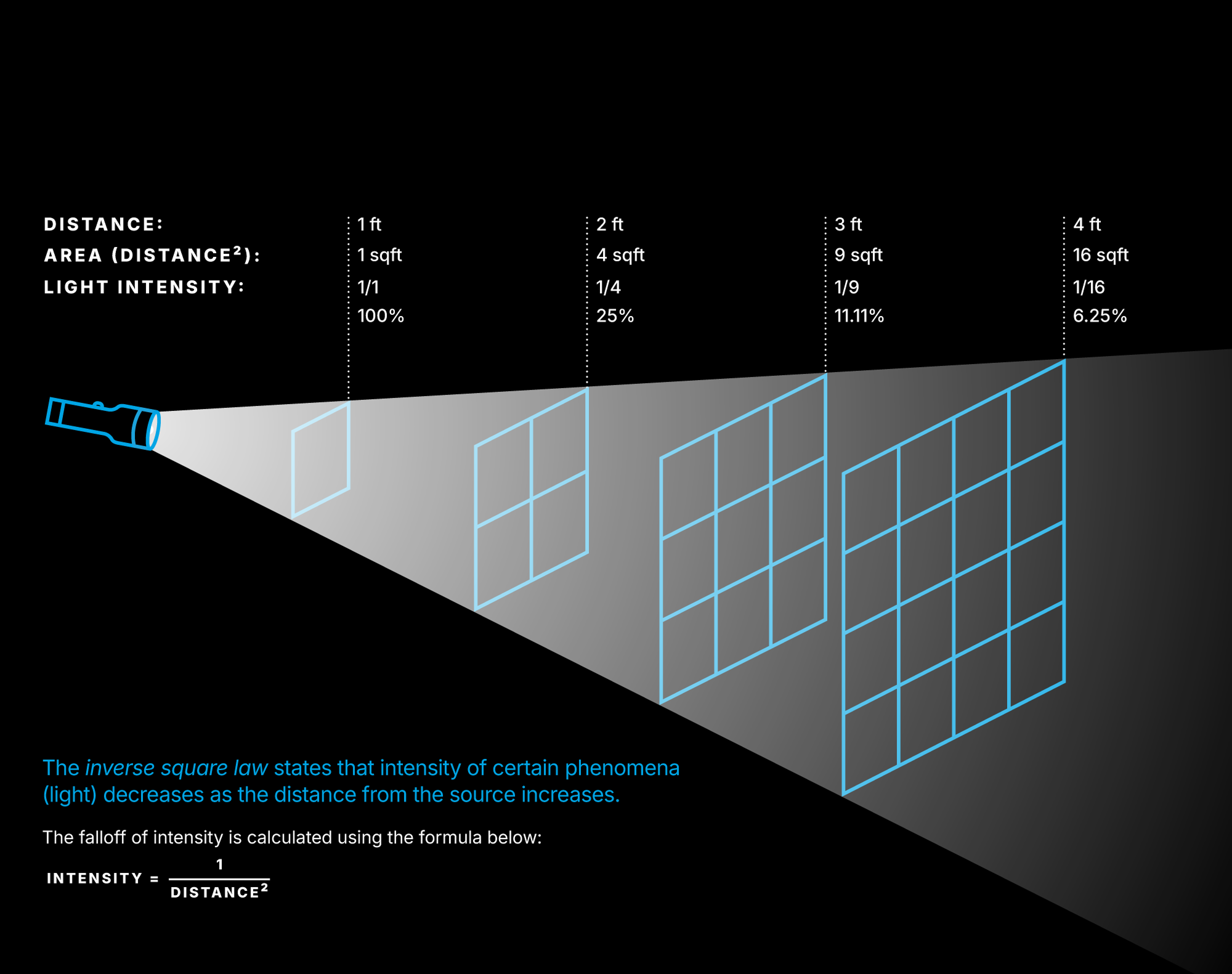
The dose actually delivered depends on lamp intensity, distance, exposure time, angle, and whether the surface is in direct line of sight. This is why cycle time and device placement — not just “turning on a UV light” — determine real-world surface results. The core mechanism holds throughout: UV-C inactivates MRSA photochemically by forming thymine dimers that block DNA replication, and antibiotic resistance offers no protection against it.
MRSA disinfection methods compared
No single method is a silver bullet. Most facilities combine manual cleaning with an automated no-touch step for terminal disinfection.
The consensus in the literature is that automated no-touch systems (UV-C or HPV) are an adjunct to — not a replacement for — thorough manual cleaning. You clean first to remove organic soil, then disinfect to inactivate what's left on exposed surfaces. Clean, then disinfect: UV-C's speed and chemical-free profile make it a strong terminal step layered on top of manual cleaning.
What the evidence shows about UV-C on surfaces
Surface-level microbial reduction is what environmental UV-C is designed to deliver, and that's what the peer-reviewed literature measures.
- Multi-log inactivation on exposed surfaces. In laboratory testing, germicidal UV-C achieves several logs of MRSA inactivation on directly irradiated surfaces, with the reduction scaling to the delivered dose. Because S. aureus has a high thymine content, it is comparatively susceptible to UV-C.
- Lower surface bioburden in the field. Field studies in real-world facilities report significant reductions in surface bioburden after a UV-C cycle — measured by ATP bioluminescence and environmental cultures — when UV-C follows manual cleaning.
- Consistency depends on the process. Reported surface results vary between sites, driven by how consistently the device is run, whether manual cleaning removed organic soil first, and whether the device reached the surfaces that matter.
Layered on top of manual cleaning, UV-C reduces MRSA bioburden on directly exposed surfaces — it doesn't replace the manual step.
Important: These are environmental outcomes — reductions in microbial contamination on surfaces. Environmental disinfection is one layer of a broader hygiene program. UV-C is a surface-disinfection technology.
The limitations of UV-C (and how to design around them)
Trust is built by naming the constraints. UV-C has three:
- Line of sight. UV-C inactivates what it can directly illuminate. Surfaces reached only by reflected light receive a much lower dose. Design around it: position the device for the fewest shadows, or run multiple cycles from different points in the room.
- Shadowing. The undersides of fixtures, the far side of equipment, and inside drawers are shaded. Design around it: open drawers, expose surfaces, and pull equipment away from walls before running a cycle.
- Organic load. Soil and biofilm physically shield bacteria and absorb UV. Design around it: always clean visible soil first — UV-C is a finishing step, not a cleaner.
These limits are geometric and procedural, not biological — good workflow (clean first, expose surfaces, place the device well) closes most of the gap.
How to disinfect a room for MRSA: step-by-step terminal protocol
The best way to disinfect a room for MRSA is a two-stage terminal process: remove the soil, then inactivate what remains on exposed surfaces. A repeatable sequence:
- Don appropriate PPE and follow your facility's entry and gowning protocol for the terminal clean.
- Remove and launder soft goods — textiles, upholstery covers — since fabrics harbor MRSA and shield it from UV-C.
- Manually clean all high-touch surfaces with your approved disinfectant (work surfaces, control panels, shared equipment, door and drawer handles, light switches, seating, sink and faucet). Respect the product's wet contact time — this is where most manual cleaning fails.
- Expose shadowed areas: open drawers and cabinets, pull equipment away from walls, angle surfaces toward the room center.
- Run the no-touch UV-C cycle in the unoccupied room. Follow the manufacturer's placement and cycle-time guidance; run additional cycles or reposition for large or complex rooms so shaded surfaces still receive dose.
- Verify. Spot-check with ATP bioluminescence testing or environmental cultures on your highest-risk surfaces to confirm the process is reducing surface bioburden and to coach technique.
- Document the cycle for your environmental-hygiene records and turnover tracking.
Clean → expose → irradiate → verify — the verification step is what turns a protocol into a program.
Key takeaways
- MRSA survives on surfaces for hours to months, and a visibly clean surface can still carry viable MRSA.
- UV-C inactivates MRSA by forming thymine dimers (CPDs) that block DNA replication — a mechanism antibiotic resistance can't defend against.
- UV-C reduces MRSA bioburden on directly exposed surfaces, with the reduction scaling to delivered dose.
- UV-C is an adjunct, not a replacement: clean to remove soil first, then use UV-C as a fast, chemical-free finishing step.
- Line-of-sight, shadowing, and organic load are real limits — managed through device placement and workflow.
Frequently Asked Questions
How long does MRSA live on surfaces?
MRSA can survive on surfaces from hours to several months, depending on the material, humidity, temperature, and organic soil present. The CDC notes it can persist on surfaces like towels, razors, and furniture for hours, days, or weeks; on hard, non-porous surfaces it can last considerably longer.
Can UV-C inactivate MRSA?
Yes. UV-C at ~254 nm is absorbed by MRSA's DNA and RNA and forms thymine dimers that block replication, inactivating the cell. Because the mechanism attacks genetic material rather than a drug target, methicillin resistance provides no protection against UV-C.
Does UV light kill MRSA, and how much?
Germicidal UV-C inactivates MRSA on exposed surfaces, and the degree of reduction depends on dose (intensity × time). Higher doses achieve higher log reductions — 3-log is 99.9%, 4-log is 99.99%. Real-world surface results depend on line of sight, distance, and cycle time.
What is the best way to disinfect a room for MRSA?
A two-stage terminal clean: manually clean all high-touch surfaces with an approved disinfectant (respecting contact time and laundering soft goods), then run a no-touch UV-C cycle in the unoccupied room after exposing shadowed areas. Verify with ATP testing or environmental cultures.
Is UV-C better than bleach for MRSA?
They do different jobs. Bleach is a chemical disinfectant that inactivates organisms on contact but is corrosive and technique-dependent. UV-C is a fast, residue-free finishing step that inactivates exposed surfaces but can't reach shadows or cut through soil. Layering an automated step onto manual cleaning reduces residual surface contamination more than manual cleaning alone.
Does MRSA's antibiotic resistance make it harder to disinfect with UV-C?
No. Methicillin resistance is a defense against a specific class of antibiotics. It has no effect on susceptibility to UV-C, which physically damages DNA. In fact, S. aureus is comparatively susceptible to UV-C because of its high thymine content.
How does MRSA spread on surfaces?
A person carrying MRSA sheds it onto nearby surfaces. Hands touch those surfaces and transfer the bacteria to other surfaces, equipment, or people, which is why reducing surface contamination is a core part of environmental hygiene.
Can UV-C replace manual cleaning?
No. UV-C is an adjunct. Organic soil shields bacteria from the light, so surfaces must be cleaned first. UV-C then inactivates the residual bioburden the manual clean left behind on exposed surfaces.


%2C%20Color%3DNegative.png)

