

Stationary vs. Autonomous UV-C Disinfection
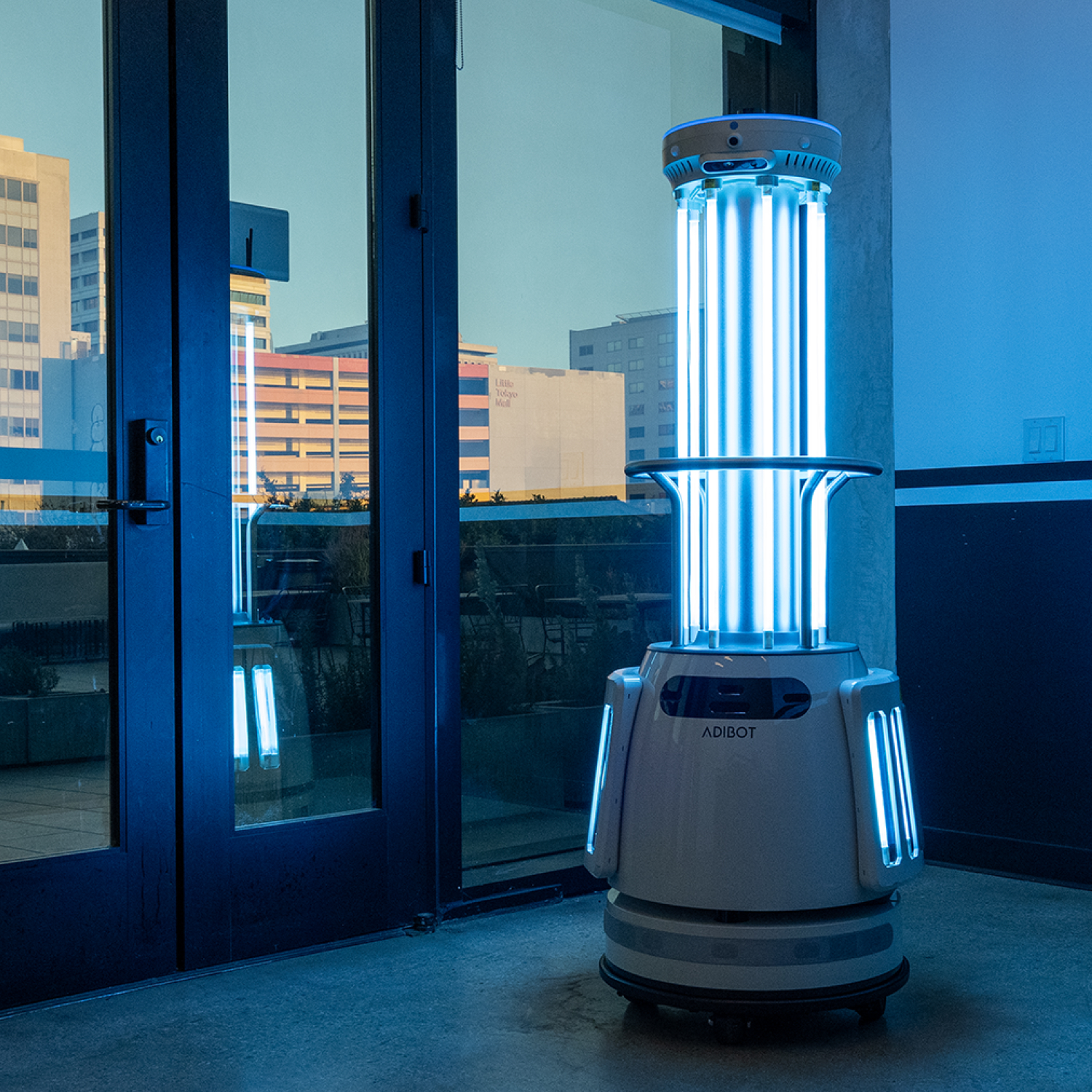
Delivery method shapes UV-C efficacy. Compare stationary units and autonomous robots on coverage, shadowing, and consistency to choose the right approach.
Ultraviolet-C (UV-C) disinfection has been used for decades to inactivate microorganisms in air, on surfaces, and in water. At wavelengths between 100 and 280 nanometers, UV-C damages microbial DNA and RNA so that pathogens cannot replicate. This makes it a reliable tool for reducing microbial presence in a wide range of environments.
But while UV-C itself is highly effective, how it is applied matters just as much as the science behind it. Different delivery methods—stationary devices versus autonomous robots—offer distinct advantages and challenges.
The Five Critical Factors of Effective UV-C Disinfection
For UV-C disinfection to work best, the right conditions have to come together. These five factors determine whether microorganisms receive a sufficient dose to be inactivated:
- Intensity: The higher the intensity of UV-C light, the stronger its germicidal effect. Intensity is determined by the lamp's output, but drops sharply as you move farther from the source.
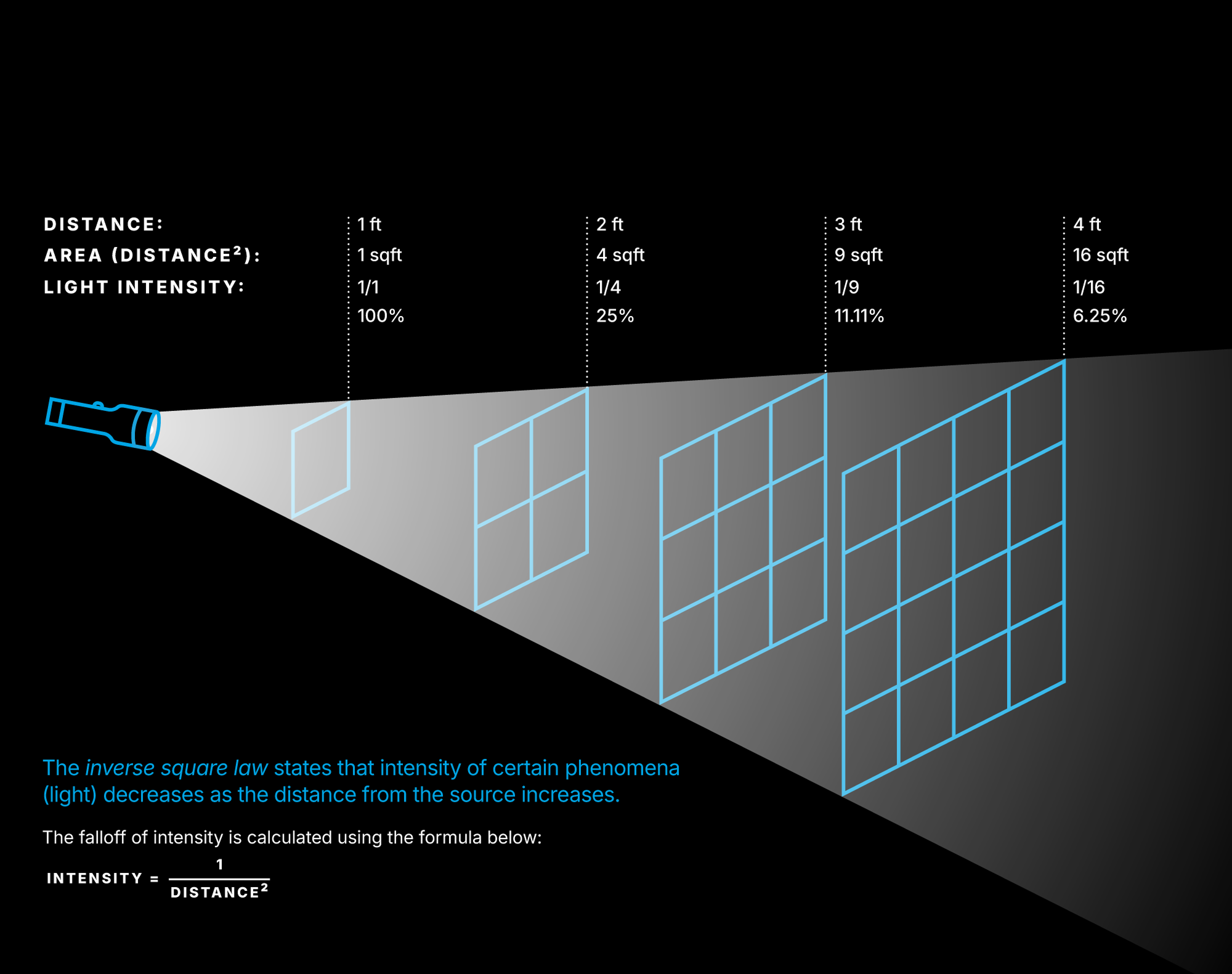
- Distance: UV-C light follows the inverse square law: doubling the distance reduces intensity to one-quarter. Surfaces farther away from the device receive significantly less exposure unless the light source is brought closer or ran for longer.
- Time: Microbial inactivation depends on total dose, which is intensity multiplied by exposure time. Lower intensity or greater distance can be offset with longer cycles, but this increases the overall disinfection time.
- Line of Sight: UV-C light travels in straight lines. Any object in the way–furniture, equipment, or even the angle of a surface–can create shadows. Surfaces in those shadowed areas receive little to no exposure, meaning microorganisms there are not inactivated.
- Target Pathogen: Different microorganisms require different UV-C doses for inactivation.
Where Stationary Systems Fall Short
Stationary UV-C devices disinfect from fixed locations, which restricts their effectiveness across several of the five critical factors.
- Distance and Intensity: The farther a surface is from the UV-C source, the weaker the light that reaches it.
- Time: At greater distances, and therefore lower intensities, pathogens require longer exposure to be inactivated.
- Line of Sight: Shadowing leaves areas untreated unless the unit is repositioned multiple times.
How Autonomous Systems Address the Gaps
Autonomous UV-C robots are designed to reposition themselves throughout a space, minimizing the weaknesses of a fixed setup.
- Distance and Intensity: Instead of relying on long cycles from a central point or frequent manual repositioning, robots can position themselves closer to surfaces, delivering stronger irradiation without added manual effort.
- Time: Autonomous robots can position themselves close to surfaces. At shorter distances, UV-C delivers a higher intensity, reducing the exposure time required to inactivate pathogens.
- Line of Sight: Autonomous robots can disinfect from multiple angles by adjusting their position throughout the room and around the objects within it. This allows UV-C to reach surfaces that might remain shadowed if the light stayed in a single, fixed spot.
This video showcases a full disinfection program using the A1, navigating throughout the room and automatically repositioning to reach shadowed surfaces.
Choosing the Right Fit
Both stationary and autonomous UV-C systems can support strong disinfection practices. The difference lies in how they integrate into your team’s routine. Stationary systems work best in smaller or less dynamic spaces where repositioning is manageable. Autonomous systems provide greater efficiency in larger, busier environments where staff time is limited and consistency is critical.
The choice between stationary and autonomous systems often comes down to how much staff involvement is practical for a given facility.
- Stationary systems require a hands-on approach: staff roll the unit into place, reposition it several times during a cycle, and monitor its operation closely. This method is still effective from an efficacy standpoint, but may slow down routines in high-traffic areas.
- Autonomous robots reduce the need for supervision by handling navigation and positioning on their own. This frees staff to focus on other high-priority tasks instead of monitoring or moving a device. In many cases, robots can also be scheduled to leave their charging dock, disinfect multiple rooms, and return automatically, allowing cycles to run during low-traffic hours without disrupting daily operations.
One example of this approach is the A1, an autonomous UV-C robot designed to overcome the limits of fixed devices. Using SLAM-based mapping, it builds a floor plan and autonomously navigates to disinfection points, positioning itself close to surfaces so required doses are delivered in less time. By moving around obstacles and disinfecting from multiple angles, it ensures surfaces that might otherwise be shadowed still receive UV-C exposure. Real-time obstacle avoidance and multiple operation modes allow it to adapt to changing environments while maintaining consistent coverage.
The Bottom Line
UV-C disinfection is a powerful tool, but no system is one-size-fits-all. Understanding the strengths and limitations of stationary versus autonomous systems helps teams choose the option that best fits their spaces and routines. Whether staff-managed or self-navigating, the right UV-C solution is the one that can be applied consistently, safely, and effectively in your environment.
-
Frequently Asked Questions
When does an autonomous UV-C robot make more sense than a stationary unit?
Autonomous robots are best suited to larger, busier environments where staff time is limited and consistent coverage is critical — they navigate and reposition themselves, and can often be scheduled to leave a dock, disinfect multiple rooms, and return automatically during low-traffic hours. Stationary units tend to fit smaller or less dynamic spaces where manual repositioning is manageable.
How does a stationary UV-C device handle shadowing compared to a mobile robot?
UV-C travels in straight lines, so a fixed device leaves shadowed areas untreated unless staff manually reposition it several times per cycle. An autonomous robot disinfects from multiple angles by moving around the room and its obstacles, reaching surfaces that would stay shadowed from a single fixed position.
Is a stationary UV-C unit ever a better choice than an autonomous robot?
Yes. Both approaches can support effective disinfection — the difference is how they fit your routine. A stationary unit can be a good fit for smaller or less complex spaces where repositioning it a few times is manageable. Autonomous systems earn their value in larger or high-traffic environments where staff time is limited and repositioning a fixed unit would slow operations.
Does an autonomous UV-C robot disinfect a room faster than a stationary device?
Often, yes. Because a robot can position itself close to each surface, it delivers higher intensity and therefore needs less exposure time to reach the required dose — whereas a stationary unit at a greater distance needs longer cycles or repeated manual repositioning. Autonomous operation also removes the staff time spent moving and monitoring a fixed device.
Which delivers more consistent coverage across a room — a repositioned stationary unit or an autonomous robot?
An autonomous robot generally delivers more consistent coverage. By navigating to defined points and disinfecting from multiple angles on every run, it reduces the shadowing and cycle-to-cycle variability that come with manually repositioning a stationary unit, where coverage depends on operator judgment.


%2C%20Color%3DNegative.png)

