


Rethinking Contamination Control
Procedural controls have raised the standard, but gaps remain — and they are physical, not procedural. Here is why automated UV-C has become a recognized layer within modern cleanroom contamination control strategies.
The contamination problem isn't getting smaller.
Contamination remains a significant driver of product recalls, compliance events, and operational disruption. Procedural controls have raised the standard, but gaps still remain. On average, there are roughly 330 drug recalls per year, with 37% caused by contamination — and 48% of sterile drug recalls trace back to sterility failures. The cost of a single contamination event can reach $1–2M or more.
EU GMP Annex 1 raised the bar further, mandating a more rigorous, documented contamination control strategy across aseptic manufacturing environments. The challenge this creates is one of consistency: operator dependency and physical limitations introduce variability that is difficult to quantify and harder to defend in an audit. As standards rise, the gap between what they require and what manual processes can deliver continues to widen.
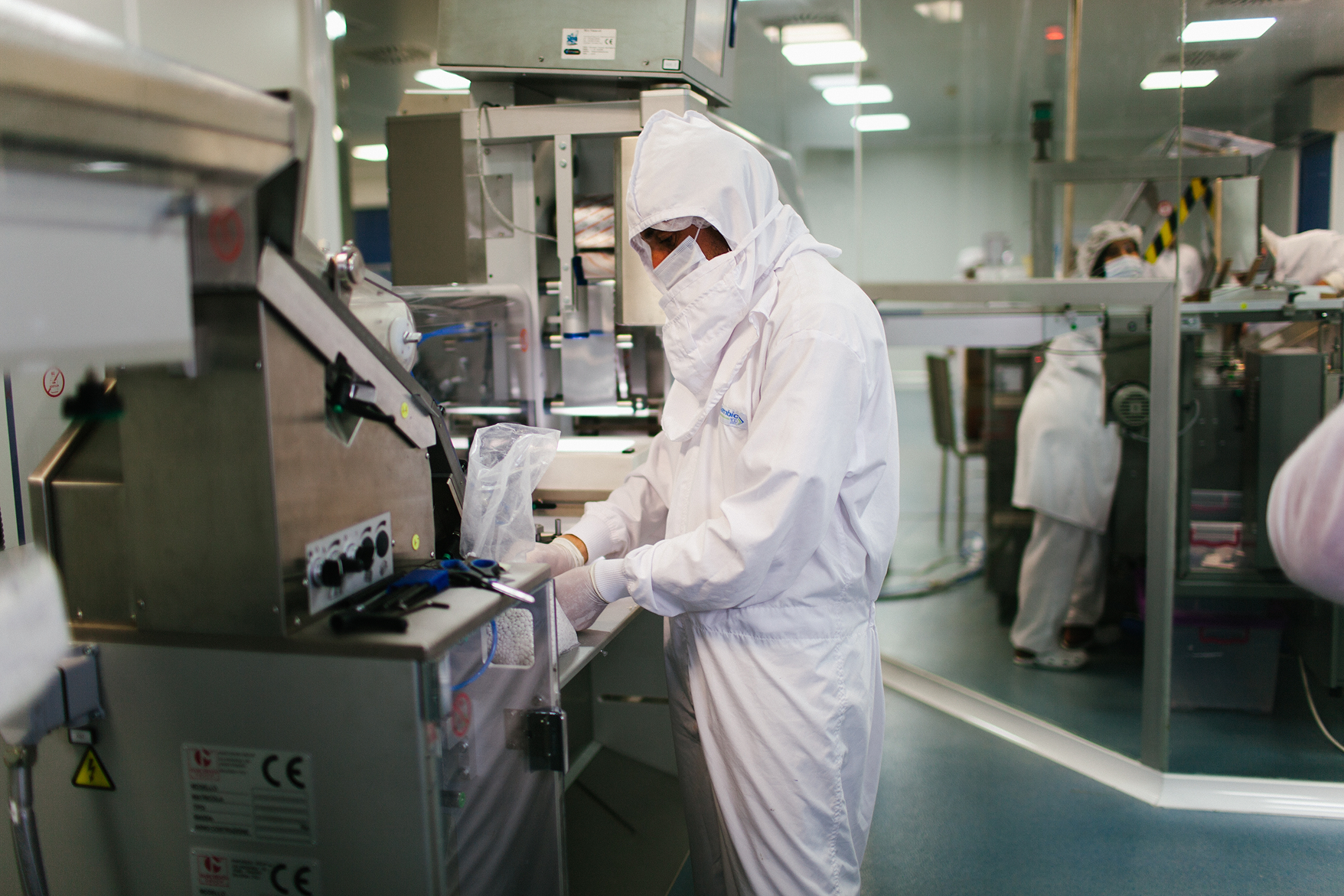
Contamination isn’t an edge case. It’s a constant.
A trusted, disinfection method deployed across regulated industries for decades — from water treatment and food processing to semiconductor manufacturing — UV-C has a long track record of performing where consistency and documentation matter most.
A Brief History of UV-C
Arthur Downes and Thomas Blunt observe that sunlight inhibits bacterial growth in test tubes.
Niels Finsen receives the Nobel Prize in Physiology or Medicine for treating disease with concentrated light radiation.
Germicidal UV-C fixtures appear in high-risk environments — controlled settings where the risk of microbial replication is most severe.
Tightening water and food-safety requirements drive broad adoption across municipal water treatment and food processing.
Autonomous UV-C robots bring consistent, documented disinfection cycles into GMP cleanroom environments — without adding burden to already-stretched teams.


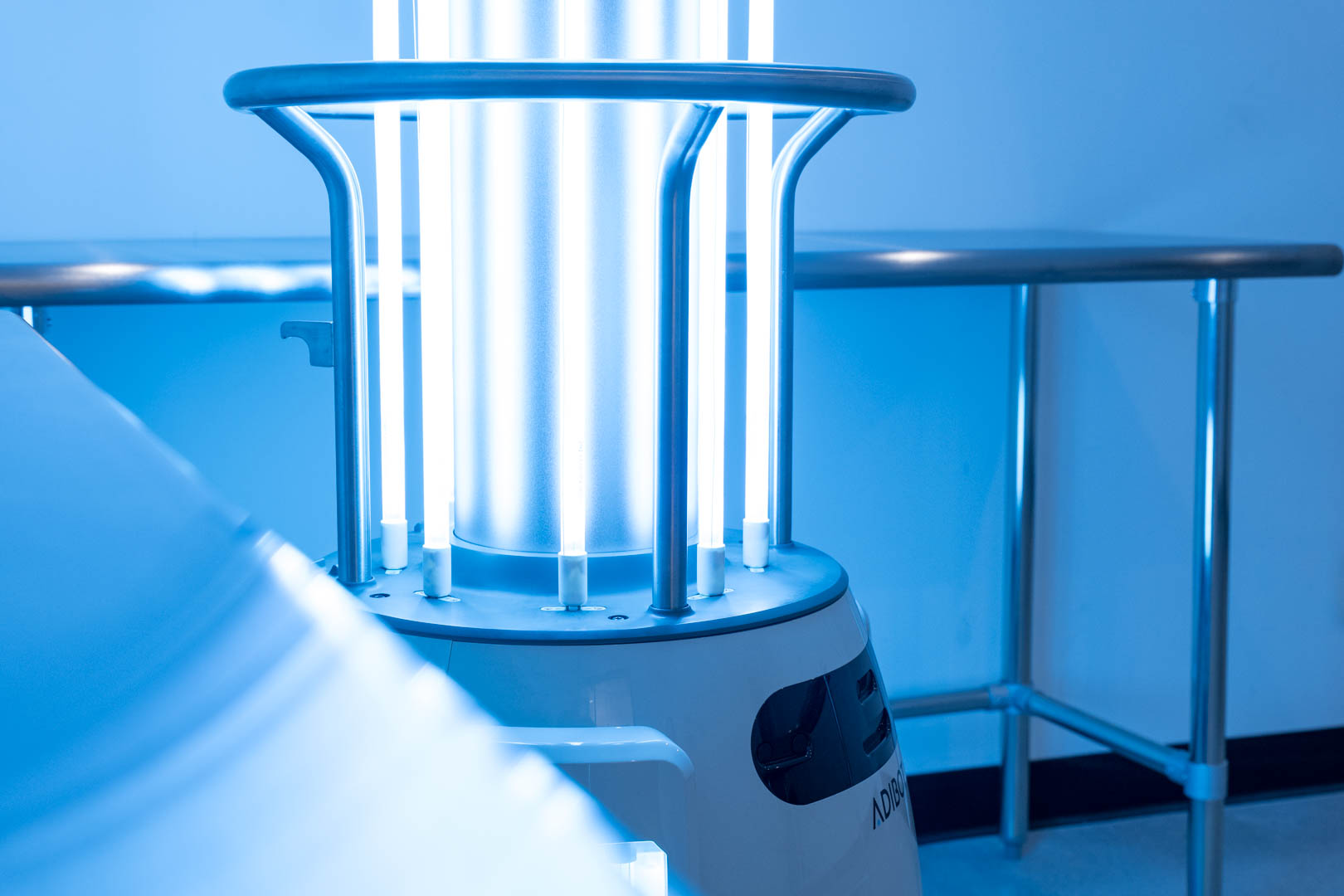
Why Cleanroom Operators are Making the Switch
UV-C isn't new to these environments. What's new is removing the manual burden that used to come with it.
UV-C light inactivates microbes without introducing chemicals or leaving residues, supporting clean room compatibility and minimizing risk to sensitive products.
Unlike chemical disinfectants, UV-C inactivates microorganisms by physically disrupting their DNA and RNA — a mechanism microbes cannot adapt to or develop resistance against over time.
Every UV-C cycle can be quantified, recorded, and verified against a target dose threshold.
Autonomous UV-C systems deliver consistent, documented results for every session regardless of shift, staffing level, or operator experience.
Microbial Reduction by Pathogen Target
Decades of peer-reviewed research have established clear, pathogen-specific UV-C dose thresholds for achieving meaningful microbial reduction. The table below reflects that data — and the standard against which every disinfection session should be measured.
| Microbe | Dose required | Log reduction |
|---|---|---|
| Aspergillus | 560 mJ/cm² | > Log 4 (99.99%) |
| Bacillus subtilis | 62 mJ/cm² | > Log 4 (99.99%) |
| Bacillus cereus | 40 mJ/cm² | > Log 4 (99.99%) |
| Bacillus atrophaeus | 39 mJ/cm² | > Log 4 (99.99%) |
| Staphylococcus aureus | 9.5 mJ/cm² | > Log 4 (99.99%) |
| Pseudomonas aeruginosa | 9.3 mJ/cm² | > Log 4 (99.99%) |
| Escherichia coli | 8.1 mJ/cm² | > Log 4 (99.99%) |
Published UV-C dose thresholds for representative microorganisms, with the corresponding log reduction at target dose. Figures reflect target-dose performance on directly exposed surfaces, verified by digital dosimeter — not a whole-room result. UV-C is line-of-sight and works as an adjunct within a broader contamination control strategy, never a replacement for routine cleaning.


%2C%20Color%3DNegative.png)

