


Why UV-C?
Rethinking Contamination Control in Cleanrooms
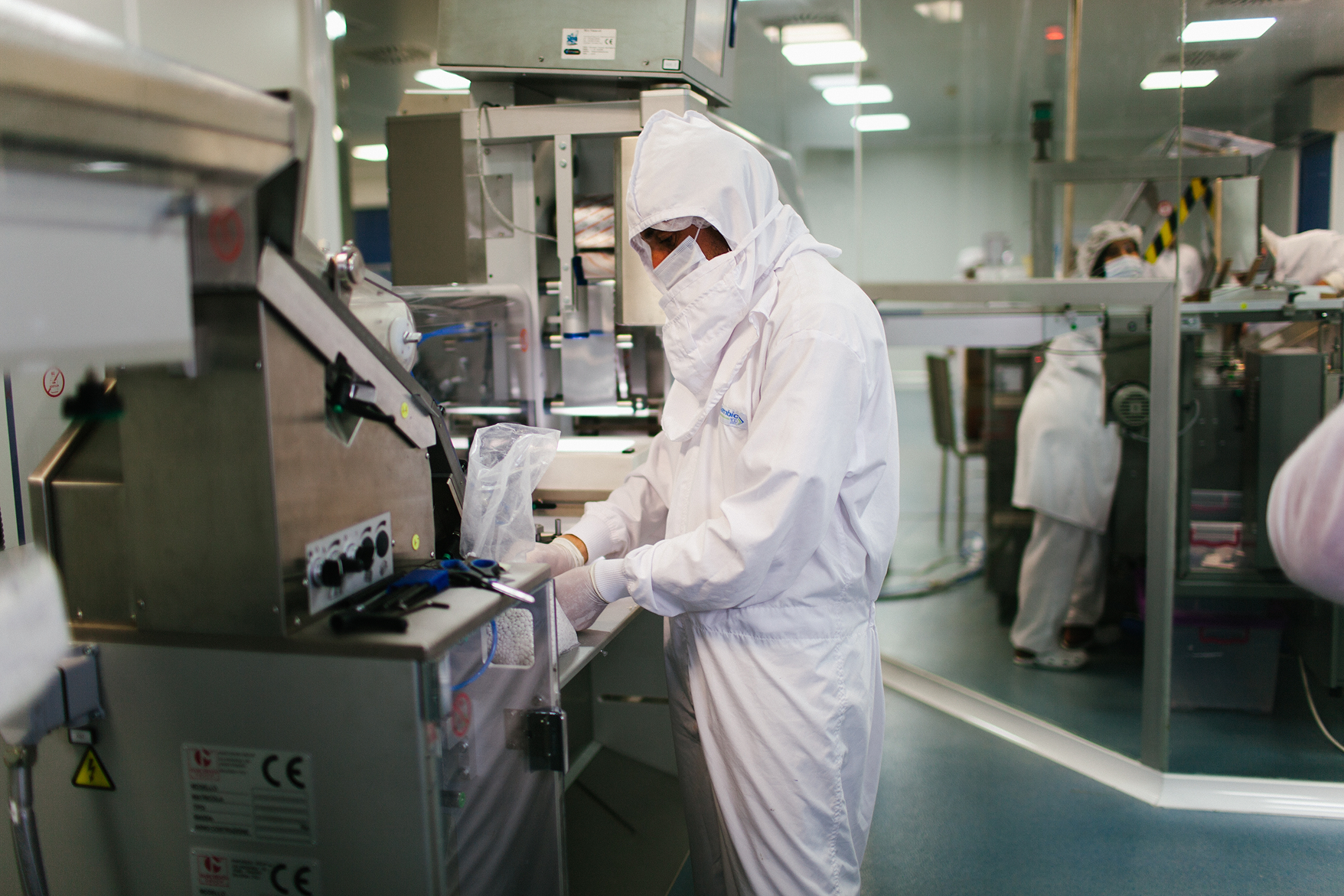
The Contamination Gap Is Widening
Contamination remains a significant driver of product recalls, compliance events, and operational disruption. While procedural controls have raised the standard protocol, gaps still remain. Additionally, 48% of sterile drug recalls are due to sterility failures, and the cost of one contamination event can reach $1–2M+.
EU GMP Annex 1 raised the bar even higher, mandating a more rigorous and documented strategy across aseptic manufacturing environments. The challenge this creates is one of consistency. Operator dependency and physical limitations introduce variability that is difficult to quantify and harder to defend in an audit. As this challenge continues, the gap between rising standards and what manual cleaning and disinfection processes can deliver continues to widen.
EU GMP Annex 1 raised the bar even higher, mandating a more rigorous and documented strategy across aseptic manufacturing environments. The challenge this creates is one of consistency. Operator dependency and physical limitations introduce variability that is difficult to quantify and harder to defend in an audit. As this challenge continues, the gap between rising standards and what manual cleaning and disinfection processes can deliver continues to widen.
The problem isn't getting smaller
$1–2M+
cost per contaminated batch
2 Annual Report and Survey of Biopharmaceutical Manufacturing Capacity and Production, 2008
Learn about the science
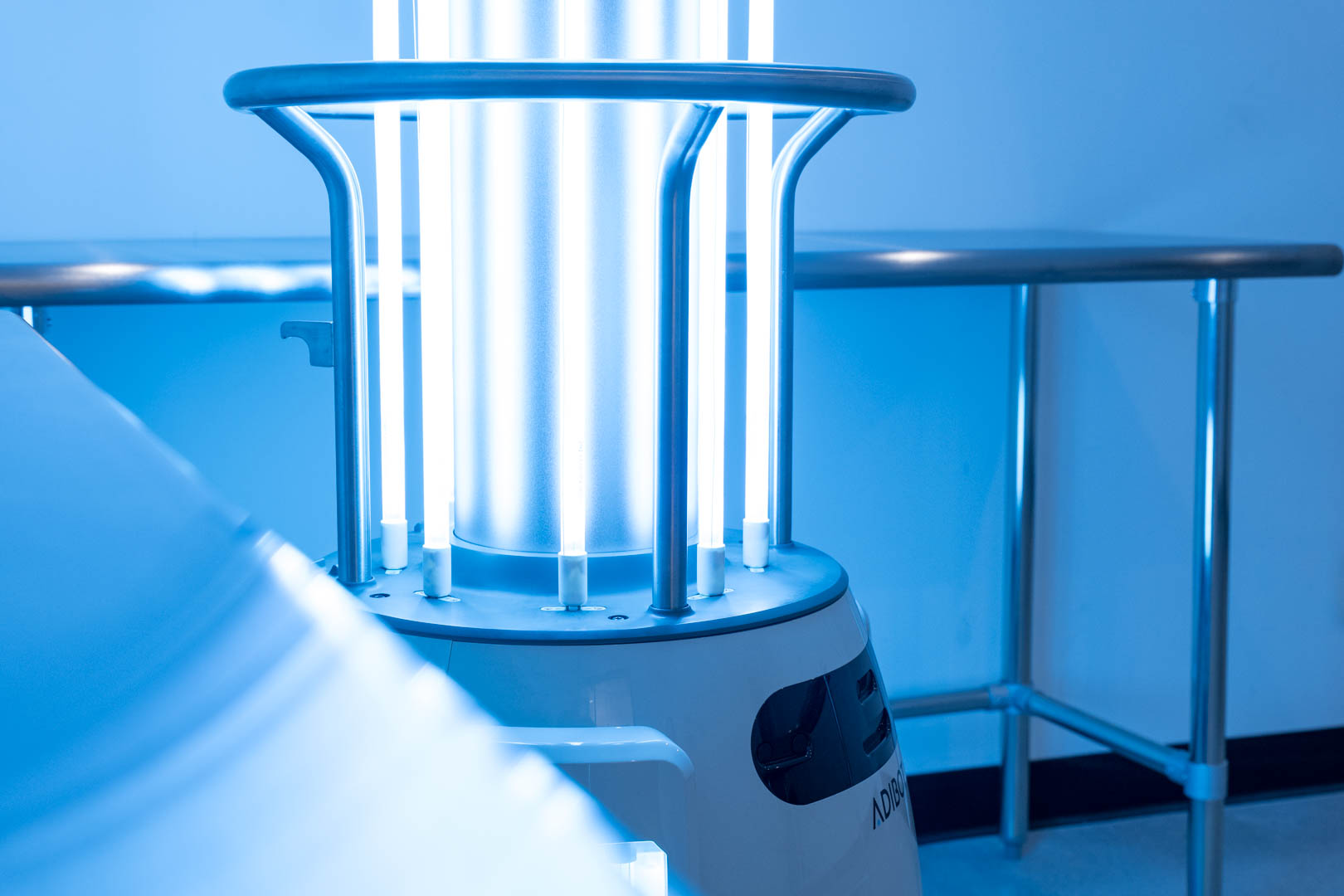
When manual cleaning reaches its limits, UV-C fills the gap. UV-C light has been the trusted answer for decades — deployed across high risk environments, water treatment, food processing, and semiconductor manufacturing when the stakes are too high to leave disinfection to chance.


UV-C efficacy is well-documented across a broad spectrum of microorganisms relevant to GMP manufacturing environments. Additionally, when used as an adjunct disinfection technology, UV-C integrates seamlessly into existing protocols.
Why Cleanroom Operators Are Choosing UV-C
Chemical Free
UV-C light inactivates microbes without introducing chemicals or leaving residues, supporting clean room compatibility and minimizing risk to sensitive products.
Doesn't Build Resistance
Unlike chemical disinfectants, UV-C inactivates microorganisms by physically disrupting their DNA and RNA — a mechanism microbes cannot adapt to or develop resistance against over time.
Measurable
Every UV-C cycle can be quantified, recorded, and verified against a target dose threshold.
Operator Independent
Autonomous UV-C systems deliver consistent, documented results for every session regardless of shift, staffing level, or operator experience.
JOIN OUR NEWSLETTER
Email

We never share your information


%2C%20Color%3DNegative.png)

